


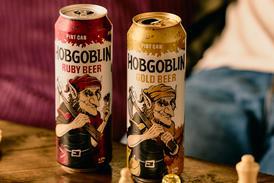




I have a confession. For the past year I have been drinking energy drinks, and I’ve been doing it the way other men conduct sordid affairs: in the car, between meetings, the can finished and binned between Tesco and my front door. I hope my wife is not reading this.
The question worth asking is why I feel any shame at all. It is a legal product, freely sold, and yet every time I reach for a can, I feel like Eve palming the apple. Part of it is the ingredients list, which reads like a declaration of war on my own body. Part of it is the scale of the things: some cans now have the proportions of light artillery.
Part of it is the names. Carry a can called Beast and people might reasonably conclude it’s how you see yourself. And part of it, I admit, is snobbery. What you drink says something about you, and what an energy drink says is not something the health-conscious and, one hopes, upwardly mobile want said on their behalf. It is all a rather grungy affair.
But mostly it is this: the product does not feel like it was made for me. It feels engineered for excitable teenagers. And I am, regrettably, no longer one.
Which is why this month’s announcement is important. From April, under-16s in England will no longer be able to buy high-caffeine energy drinks. Several of the big supermarkets had restricted sales voluntarily way back in 2018. Legislation simply makes the practice universal.
A design flaw?
The industry’s response has been indignant. The government’s own consultation concedes the evidence of harm is “not definitive”, and the trade bodies point out, correctly, that most of the caffeine children consume comes from other sources.
All of that may be true, and all of it misses the point. The problem was never the milligrams alone – coffee has those. The problem is what the category did with them, wrapping an adult dose of stimulant in a brand world built for adolescents. About 100,000 children drink high-caffeine energy drinks daily. That is not an unfortunate accident.
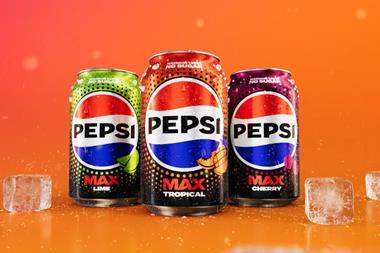
Look at the fridge, and the design is unmistakable. The conceptual flavour names. Vivid imagery. Exotic candy flavours and the neon livery. The esports sponsorships and celebrity tie-ins: each choice defensible on its own, and collectively a brand world calibrated to people who do their living online and their drinking at the school gate, or in front of the PS5. When your brand world is calibrated to a customer the law has just removed, that is a strategy problem, and no amount of lobbying will solve it.
The good news for the category is that the audience it has underserved is sitting in plain sight: adults who want the functional benefit without the sugar rush or sweet shop flavours or the embarrassment of the neon can itself.
Modern life is exhausting. And often, the only productivity hack left (until AI makes good on its promised leisure) is to manufacture more hours from the same day, pushing our limits and using stimulants like a daily multivitamin to prop it all up. In a country that never adopted the super-sized American black coffee and is only just finding nitro cold brew, that stronger hit increasingly comes from a can.
Where the growth actually is
I should say up front I’m not a neutral observer here: we recently led the UK launch of Hi*Ball, Tilray’s sparkling energy water, where the entire brief was an energy proposition for grown-ups, down to an identity that deliberately walks away from the category’s high-octane codes.
The migration was already underway on shelves before the government moved: cleaner formulations, adult positioning, cans you could leave on your desk, with the likes of Purdey’s pointing the way. The ban will simply accelerate what consumers had started. So yes, I’m a fan of where the market is heading.
One caution for brands making the pivot. The adult consumer has neither the time nor the patience to be deceived, and the fastest way to lose them is the health halo: one virtuous claim deployed to distract from everything else in the can. Sugar-free means little if it masks some darker chemistry. If you say you are healthy, you must be healthy all the way through. And if you get it right, you’ll earn margin and trust in a way the neon wall never did.
As for me, the first step is probably to bring the can indoors.
Nicholas Horowitz is co-founder at Founders Makers

No comments yet