



Diageo reported its best quarterly sales for over a year this week. Net sales grew 1.4% to $4.9bn (£3.7bn), well ahead of analyst forecasts of a 0.4% decline.
Growth came across most geographies of the business, as “targeted price repositioning” boosted volumes everywhere except North America and India. The showing felt like “a small step in the right direction,” CEO Dave Lewis told analysts on Thursday (5 November).
So, what reasons for optimism were there?
Guinness growth
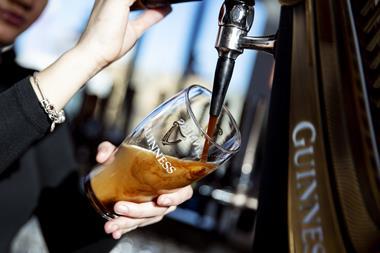
Firstly, there’s Guinness. Despite falling sales in the UK and Ireland, Diageo’s flagship stout recorded another quarter of double-digit sales growth globally. The brand “remains a key source of resilience,” for Diageo, according to Barclays analyst Laurence Whyatt. With capacity constraints now (hopefully) in the rear-view mirror, Guinness can focus on sharper execution “to defend against peers”, he adds.
Amid broader challenges in whisky, Diageo’s scotch business also continues to show strong momentum. Sales were up by 5% and ahead of the category, with a new approach anchored behind flagship label Johnnie Walker “bearing fruit”, according to Lewis.
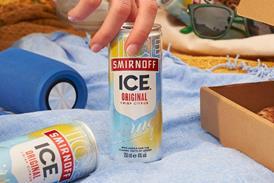
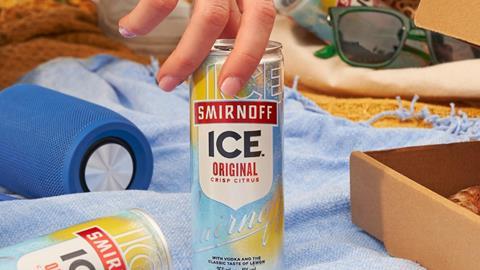
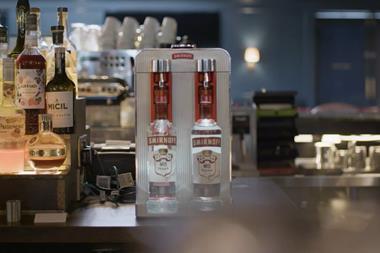
Then there’s RTDs. Having decried Diageo’s past approach to smaller formats, Lewis will no doubt be thrilled with growth of 15% on Smirnoff RTDs globally, following a relaunch in Q4 last year. The former Tesco boss also highlighted a “positive impact” from RTD sales on the parent brand, suggesting the strategy to use canned cocktails for core spirits is paying off.
Also paying off is price repositioning by Diageo in certain markets and categories to win back share. By “broadening the price ladder” through selective price cuts, Diageo grew volumes ahead of sales in EMEA and LAC, Jefferies’ Ed Mundy points out. Much like the greater focus on RTDs, price pruning has helped “drive greater accessibility and recruitment”, he notes.
Lewis rejected suggestions of a “major, fundamental repositioning of price,” across the portfolio. However, “twisting and tweaking” would continue to be a factor as Diageo sought to be “agile to market situations” in certain markets and categories, he acknowledged.
Profit positives
Meanwhile, having culled a significant chunk of its headcount in FY26, a leaner and more profitable Diageo looks to be emerging from the rubble.
At its capital markets day in August, Diageo said it expected profit growth in FY27 to be more weighted towards H2, as the benefits of its far-reaching restructuring took effect. However, CFO Nik Jhiangiani told analysts this week the business now expected a more even split between H1 and H2.
This suggests “good progress on savings within the markets and regions”, according to Whyatt. While cost volatility “remains a risk”, the decision to bring production closer to customers should mitigate some of the pressure in US freight, he adds.
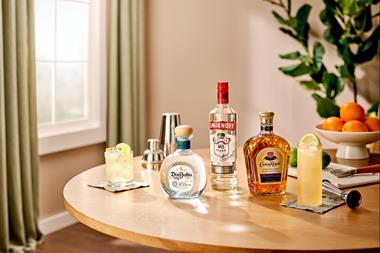
It isn’t all rosy, however. Sales in the US declined 3.7% organically and the market “remains the principal challenge” for Diageo to overcome, according to Whyatt. Consumer sentiment remains low, and Diageo’s key spirits brands – namely Don Julio, Casamigos and Crown Royal – remain under pressure.
Diageo’s plan for the US involves price repositioning in tequila, reinvestment behind Crown Royal and adding more scale in RTDs. But with the rollout of Casamigos RTDs delayed until next year, any recovery “will take time and many of the most important interventions will not land until later in FY27”, Whyatt warns.
So while there are definite reasons for optimism, this turnaround is far from complete.








No comments yet