




Practical steps to improve food redistribution
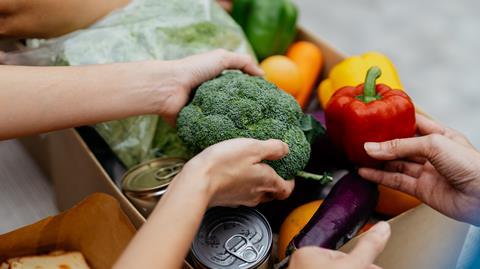
There is no shortage of goodwill in the grocery sector when it comes to donating surplus food. Store teams, suppliers and charities know the difference it can make.
The government’s ambition to triple food redistribution over the next 10 years is very welcome, but the next phase must be practical. It will depend on making everyday mechanics work better.
A supermarket may have surplus, but its closest charity might not have a volunteer that evening. However, another local group may have fridge space and can collect.
Better data shows what food is available, where it is, who can use it and what happens after collection. It also helps retailers see where programmes are operating well and where additional support is needed.
This is especially important because the sector still tends to talk about redistribution in tonnes, which is useful, but does not tell the whole story. The next phase must balance quantifying the volume of products donated with measuring the impact it has in our communities.
Dignity is an important part of the conversation – the people receiving support should be able to access food that is suitable, safe and useful, and the charities providing that support need consistency, respect and enough time to plan properly.
The sector has already proved what is possible. The task now is to make redistribution ‘business as usual’ – transparent, needs-based and achievable.
Steve Butterworth, CEO, Neighbourly
Dangers of pivoting value
The backlash facing Pollen & Grace after introducing chicken dishes into its previously vegan range was not only predictable – it was almost inevitable (20 May, thegrocer.co.uk).
When a brand spends years building its identity on a plant-based ethos and value-driven eating, consumers don’t just buy products, they buy principles. Move those principles, and the whole foundation shifts.
When a plant-based brand starts eyeing meat, it suggests the commercial conversation has become uncomfortable. But here’s the problem. If customers support you because of what you stand for, changing what you stand for isn’t a portfolio extension – it’s a brand rupture.
The reaction on social media showed it. Loyal fans didn’t simply dislike the new products, they questioned whether Pollen & Grace was still the brand they thought they were buying.
That kind of emotional break is far harder to recover from than disappointing sales. Consumers will forgive a new flavour they don’t like but they won’t forgive feeling misled.
In chasing a broader audience, Pollen & Grace may have alienated the very people who kept them relevant. You can pivot your range, but if you pivot your values expect the ground to shake.
Joe Lovell is the founder of Planty




No comments yet