




Asda executive chairman Allan Leighton was today defiant that his Asda turnaround is “working” despite a significant slowdown in its quarterly performance.
Asda’s like-for-like sales fell 2.8% in the three months to 30 September, while total revenues fell 3.7% to £5.1bn excluding fuel.
The downturn was almost entirely the result of “self-inflicted” and “severe” disruption from the final stage of Asda’s Project Future IT transition, which has been much more significant than the supermarket previously warned, Leighton told journalists. He said it had “materially impacted” Asda’s progress.
Asda had enjoyed its best quarterly performance since early 2024 going into the full switch-over in August, but operational issues at depots in the wake had affected the flow of products to stores, leading to inconsistent availability and poor customer experience for at least three months, Leighton said.
Asda’s online grocery shopping was most severely impacted as customers had issues accessing and using its new app and website, Leighton said.
Overall, the disruption had set back Leighton’s turnaround by around six months, he said. The supermarket does not expect to recover its Q2 2025 performance until Q2 2026.
The slowdown had led to speculation that Leighton’s revival plan, of restoring an Asda price gap of 5%-10% cheaper than market rivals and boosting customer service and availability, was running out of steam. Rivals such as Tesco have been responding more aggressively with price cuts of their own, as Asda battles with soaring debt costs.
“The reason market share is down not to do with the Formula For Growth strategy,” Leighton said, insisting Asda was “100% behind” the strategy. But he repeated his previous expectation that it could take three to five years to turn around the supermarket.
“It’s to do with the fact for the last three or four months we’ve had significant disruption as a result of future. It’s nothing to do with competitors doubling up on pricing or marketing or advertising or anything else. It’s purely self-inflicted,” he said.
Asda stores are recovering
However, the disruption had stabilised and Asda was now back “on a high” in terms of availability, at 95%, while sales were recovering, Leighton said.
He pointed to Asda’s back-to-back wins on both store of the week and price in the Grocer 33 as an example of its pricing strategy working. He said stores were also recovering following the “interregnum” of Project Future.
“Consistency is the most important thing. Up until the end of Q2 it was very clear that Formula for Growth was working. Highest availability for eight years, price gap increasing and positive like-for-like.”
Read more: Supermarket price wars: how are rivals answering Asda’s cuts?
Asda’s price perception remained “really strong” and that the average gap compared to its rivals had increased to between 4%-7% on its rivals,” he said.
“When we put that together with our availability, which we did to the end of Q2 and then we had really positive results and so we would expect the same thing to happen as we are now restoring that availability and enhancing price perception.”
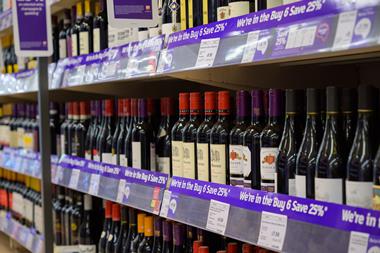
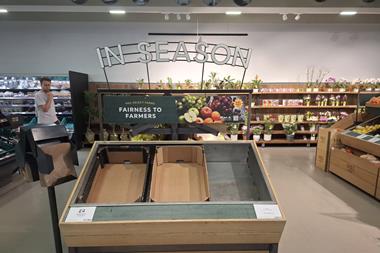
He said Asda would “double down” to accelerate its investment in price and into stores throughout “Q4 and beyond”. This would include further investment into stores, particular in fresh produce as well as beers, wines and spirits areas, he added.
He said Worldpanel and NIQ data showing Asda’s market share in freefall did not account for GM, clothing and convenience, areas “we’re particularly strong”.
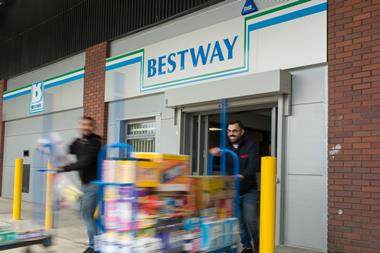
Asda Express delivered like-for-like sales growth of 3.5% during the period, with Asda planning to have opened 20 new stores by the end of 2025.






No comments yet