






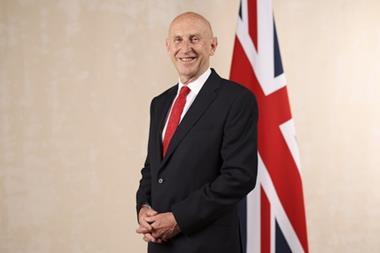
Retail leaders are calling on incoming prime minister Andy Burnham to put cutting the cost of employing young people at the top of a list of economic measures to help the struggling high street.
The new Labour leader has been urged to tackle a swathe of employment regulations that retail bosses claim are causing a jobs crisis and threatening to create a “lost generation” of young people.
Just last month, supermarket bosses wrote to Keir Starmer and Rachel Reeves urging them to act on Milburn’s report, which warned that within five years the number of young people not in education, employment or training (NEETs) could rise from one in eight to one in six a “lost generation”.
Now the BRC’s new Buy into Retail Manifesto: Jobs, Growth and Affordability sets out 10 policies it says would begin to repair the damage caused by the government’s previous increases to regulatory costs.
Industry bosses blame Reeves’ 2024 hike in employer National Insurance contributions (NICs) from 13.8% to 15%, and lowering the threshold at which businesses start paying to £5,000, for adding £6.5bn to the sector’s employment costs.
The manifesto calls on the government to launch a new retail taskforce that will deliver employment rights and skills reforms that keep people in work and training.
It also calls on ministers to “get a grip” on soaring retail crime, as well as prioritising business rates reform.
Burnham has signalled he will try to turn around high streets by raising the threshold at which firms start paying business rates from £12,000 to £18,000, lifting the tax burden entirely from many single-site operators, while giving pubs and music venues a 20% discount.
BRC chief executive Helen Dickinson said retailers welcomed his intention to make the high street recovery a key priority.
“Retail is where the economy shows up in everyday life. It is where millions of people earn a living. Retail is part of the everyday economy, touching every community across the UK.,” she said.
“When retail thrives, more people are in work, investment flows into local communities, and fierce competition drives prices down for families. But cumulative costs and fragmented policy decisions are holding the industry back. Retailers have absorbed £6.5bn in additional employment costs since 2024, as well as billions more in new packaging taxes, business rates, and rising electricity costs. The consequences are clear: fewer jobs, less investment and higher prices for consumers.
“Andy Burnham has made collaborating with business to drive growth, high streets, and living standards central to his ambition. Retail is a key partner to deliver it: with the right policies, retail can drive investment, support jobs in every postcode, and keep household essentials affordable. Our manifesto offers a path for Mr Burnham to support the millions of people that rely on retail every day.”








No comments yet