





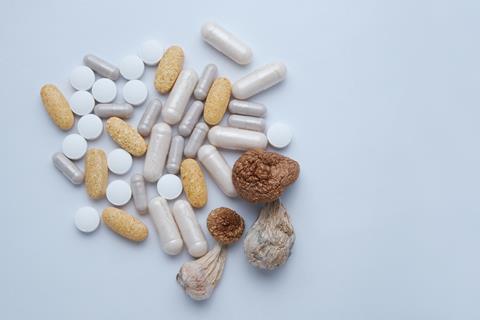
Scores of trendy mushroom supplements are being marketed online as suitable for treating serious medical conditions, the ASA has warned.
Over half (53%) of mushroom supplement ads analysed by the ASA its latest AI-powered Pulse Report were classified as “high risk” by the watchdog. A high-risk advert posed “a potential health or safety risk,” to consumers, featured an unlawful/unsafe product and/or was a clear breach of the CAP Code, it said.
In total, around 50 ads were identified for “follow-up action due to risk of physical harm”.
Many of the ads claimed mushroom supplements could treat or reverse serious respiratory conditions such as COPD, asthma and smoking-related lung damage, the ASA said.
Claims ranged from general ‘lung support’ to stronger claims that products could clear mucus, repair lung tissue, reverse COPD or address the ‘root cause’ of breathing problems.
Some ads compared the supplements with conventional medical treatments such as inhalers, suggesting these treatments only masked symptoms while the advertised products could repair damage or improve lung health.
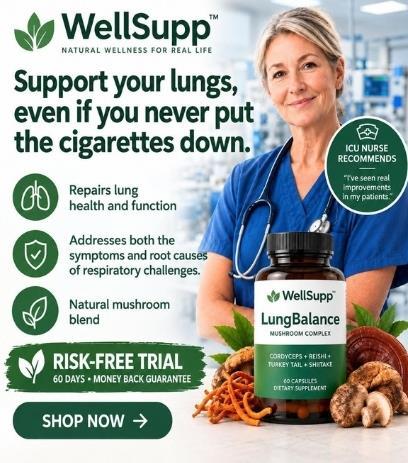
Other adverts made claims that consumers could continue to smoke, provided they used the supplements featured.
Other health claims flagged
The report also found examples of mushroom supplements being promoted in relation to conditions including multiple sclerosis, stroke recovery, ADHD, anxiety, menopause and chronic inflammation.
While the watchdog declined to name-and-shame individual brands, it said it had identified a common pattern across many ads. They identified a health problem, suggested conventional treatment or therapy was incomplete, then positioned the supplement as the missing piece, it said.
“We’re currently in the early stages of determining the most appropriate course of action following these findings,” an ASA spokesperson told The Grocer. “But given the particularly egregious nature of some of the claims we saw, this has been identified as a priority area.”
“If brands are looking to market a novel food, they need to make sure it has the relevant authorisation for marketing. For supplements, advertisers should take care not to blur the line between foods and medicines or exaggerate what their products can do.”
It comes with interest in functional mushrooms booming, driven by broader interest in health and wellbeing. Functional mushroom challenger Dirtea topped Alantra’s Fast 50 ranking of the fastest-growing UK food and drink brands in April, while global sales of mushroom supplements are projected to grow from $5.83bn to $8.83bn by 2031 [Mordor Intelligence].
Women’s health claims assessed
Ads targeting women’s hormonal health, fertility and menopause also came under scrutiny in the report.
Just 4% of these ads were classified as “high risk,” although a further 83% were designated “medium risk”. A medium-risk advert was likely to breach the CAP Code, but required further investigation, the ASA said.
Some advertisers were guilty of conflating common experiences such as menopause, premenstrual syndrome, polycystic ovary syndrome, bloating, weight gain, fertility concerns and tiredness with a hormone imbalance that food supplements and other non-medicinal products could help to treat, the report noted.
Other ads used emotive language about women feeling dismissed, unlike themselves or let down by doctors, positioning supplements as a route back to control, it added.











No comments yet