



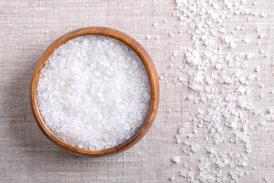

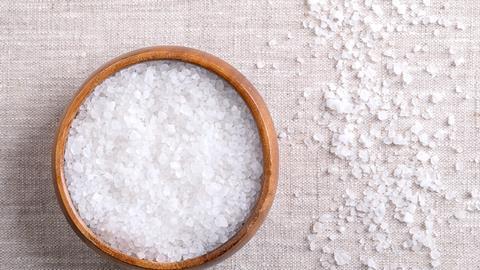
Consumers should take provenance claims with a pinch of salt following this week’s news that Maldon Salt and Cornish Sea Salt are not, in fact, sourced entirely from their namesake locations.
Dubbed the “most middle-class scandal of the year” by the Metro, Maldon Salt made headlines this week after an investigation by The Observer revealed the Essex-based brand uses imported German rock salt as part of its production process. Days later, Cornish Sea Salt confirmed to The Grocer that it also uses salt sourced from Europe.
The revelations have exposed a significant gap in UK food labelling rules – and left consumers questioning which food brands they can trust. As one user commented on Cornish Sea Salt’s most recent Instagram post: “With this week’s news, I’m wondering which manufacturers can I ever trust?”
Maldon defended its “100% sea salt flakes” marketing claim, arguing rock salt is simply “ancient sea salt, from evaporated prehistoric seas”. It has also stressed that its products and labelling comply with “all applicable food safety and labelling legislation”. And, technically speaking, the brand isn’t wrong.
Currently, there is no legal definition of “sea salt” in the UK, meaning producers are free to describe their products as such even if salt is added from another source. In Maldon’s case, describing its products as “100% sea salt” – despite using rock salt – means the brand is doing nothing wrong under current UK food labelling laws.
Yet the consumer backlash suggests the issue is less about the British salt makers using ingredients sourced outside of their counties and more about transparency.
Christopher Elliott, professor of food safety and director of the Institute for Global Food Security at Queen’s University Belfast, says consumers should be given the information needed to make their own decisions. “What is important, and not just in this case, is that consumers have full transparency in how products are manufactured and where ingredients are sourced from, and thus we can make up our own minds as to what we can purchase,” he says.
While there is only so much information that can fit on a label, Elliott suggests QR codes could help brands provide more detailed sourcing information.
Maldon responds to shopper anger
In an attempt to calm the storm, Maldon posted to Instagram yesterday to acknowledge it uses rock salt in its production process. However, it failed to disclose in the post that the salt it uses is sourced from Germany.
While some users commented that they would continue buying Maldon because of its “great flavour”, others accused the brand of undermining trust.
“Transparency and trust is super important, especially when your brand is fancy/premium,” one user said. Another said: “That’s a very fancy way of saying German salt with a splash of Essex seawater and a British price tag. Disappointed as a loyal customer.”
It draws parallels with the beer industry, where some lager brands trade on associations with particular countries despite often having limited links to those places. By contrast, bottled water is split into three legally defined categories: natural mineral water, spring water and bottled drinking water, each with their own production, sourcing and labelling requirements. So why can’t the same logic be applied to sea salt?
The case also demonstrates a lack of understanding over who is ultimately responsible for regulating claims made by brands over the origin of their products.
When The Grocer approached the government for comment, Defra deferred to the FSA, stating food labelling rules were enforced by local authorities. However, the FSA said queries should in fact be directed to Defra, suggesting there is little clarity over where responsibility for the issue sits.
Provenance as a differentiator
Some brands have sought to take matters into their own hands, applying for Protected Designation of Origin (PDO) or Geographical Indication (GI) status for their products. Halen Môn, for example, claims to be the only sea salt producer with PDO status, but this only covers salt harvested from the Menai Strait off Anglesey, in north Wales.
In the absence of a legal definition for sea salt – or indeed a PDO/GI that covers ‘Cornish sea salt’ – brands such as Maldon and Cornish Sea Salt can do as they please, risking consumers being misled about what they are actually buying.
However, authenticity and transparency remain “crucial to consumer trust” and to ensuring “nobody feels misled about what they are buying and where it comes from”, argues Alison Lea-Wilson, MD and co-founder of Halen Môn.
Provenance remains an “important differentiator for consumers seeking products linked to a specific place, heritage or production method”, she insists. “Consumers should absolutely be able to trust that any claims of provenance on packaging are transparent, accurate and meaningful.”
Sadly – as this most middle-class of scandals reveals – that is far from being the reality.









No comments yet