


The Christmas lunch typically involves two things: an abundance of rich food, and plenty of alcohol to wash it down. Yet that tradition is facing a challenge.
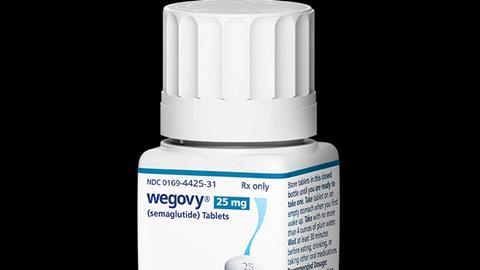
This festive season, weight-loss drugs are set to influence consumption habits more than ever. In May, Mintel data suggested 8% of the adult UK population – 4.5 million people – were on GLP-1s. And that figure is “likely to have received a further boost by the arrival of weight-loss pills this summer”, says Johnny Forsyth, food & drink principal strategist at Mintel.
Worldpanel – which has seen usage climb from just over 2% of the UK population in 2024, and 4% in 2025 – believes this year could be a turning point. “GLP-1 is now significant enough to subtly reshape the festive basket,” says Nishita Pattni, senior consultant at Worldpanel by Numerator.
A new survey by MMR, released this week, illustrates exactly what that means in practice. Unsurprisingly, nearly half (49%) of the 825 GLP-1 users surveyed plan to cut down on the amount of food they buy this Christmas. Only a quarter (24%) are planning to pause or reduce their treatment over the festive season to allow for indulgence. Meanwhile, 58% will maintain the same dose and 18% are even planning an increase.
That stands to have a far-reaching impact across the market. Certain categories – such as alcohol – will be particularly vulnerable to a drop in spend. MMR’s research found 47% of GLP-1 users will be drinking less than last year.
That’s no surprise to Dr Linia Patel, a nutritionist who has a special interest in GLP-1 drugs. “In my clinical practice, clients tell me their craving for alcohol has dropped,” she says. “At Christmas, I’d expect them to choose alcohol-free and lower-abv options, and smaller serves.”
Alcohol intake
However, the picture is nuanced. After all, half of respondents to MMR’s survey are not moderating their alcohol intake. What’s more, Mintel says its data suggests UK GLP-1 users drink just as much as non-users. “It may be the case that GLP-1 users are inherently bigger drinkers,” suggests Forsyth. “So, using GLP-1s may reduce alcohol consumption from a higher base.”
A similarly nuanced picture plays out in snacks. Overall, spend is likely to fall. Worldpanel says spend on crisps, for example, is 15 percentage points lower among users of weight-loss drugs. Mintel points to biscuits, chocolate confectionery and salty snacks as likely “losers” this festive season.
That makes sense, given the core function of GLP-1 drugs. “There is a loss of automatic demand, so people are much less likely to have a sudden impulse to open the fridge door or cupboard,” says Andrew Wardlaw, chief ideas officer at MMR. “So there are millions of occasions that won’t happen.”
Smaller treats
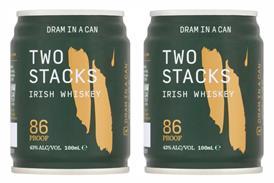
However, the desire to make Christmas feel special remains. And indulgent food plays a part in that. “Food is still a social connector,” points out Patel. “What I hear is emerging is a ‘lipstick effect’: smaller treats chosen with more care, rather than supersize portions.” She believes single-serve chocolates, mini desserts and smaller-format drinks are well positioned to benefit.
That’s backed up by Worldpanel’s Pattni, who believes pack formats will play a crucial role. “We’ve already seen bitesize chocolate buck the wider decline in chocolate confectionery, suggesting smaller portions can help indulgent categories stay relevant.”

Similarly, there is an opportunity for food and drink that combines indulgence with quality cues. “There is a premium opportunity for manufacturers if they deliver what GLP-1 users want,” says Forsyth. He points to Mintel figures showing 38% of users report having a healthy financial situation versus 28% of all adults.
That premium mindset could also apply to gifting. While GLP-1 users are likely to lean towards beauty gifts – MMR research shows 62% experience appearance changes, such as loss of skin elasticity and hair thinning – appetite for posh chocolates will likely remain. “Chocolate gifts are likely to become smaller and more special, rather than disappear,” says Patel.
So this Christmas, it’s a case of indulgence changing shape, rather than disappearing altogether. It’s a shift the industry can’t afford to ignore. “Beyond the raw usage numbers, there is the ‘ripple effect’ of how GLP-1 drugs are altering attitudes towards eating and drinking, which in turn challenges the cultural acceptance of Christmas as a time of gluttony,” says Forsyth. “Humans are inherently social animals and if loved ones choose to eat less food and forgo the wine, it has a knock-on effect on others.”
For the traditional Christmas lunch, it could just mark the beginning of an evolution.



No comments yet