





The competition watchdog has been warned that looming consolidation among UK supermarkets will “ratchet up” retail buying power and squeeze food manufacturers’ margins.
The British Brands Group has written to the Competition & Markets Authority, urging it to take into account the impact on suppliers, especially brands, which could include reduced investment and innovation.
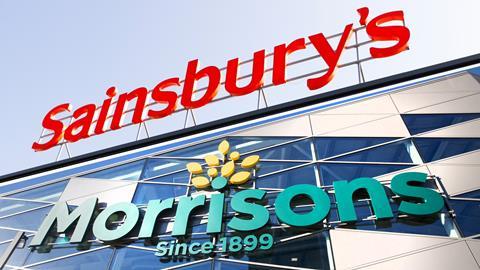
It said the revelations of merger talks earlier this year between Sainsbury’s and Morrisons had highlighted the potential for further consolidation among major grocery retailers in the months to come.
“Those discussions do not appear to have progressed, but a transaction would have created a business with a grocery market share of around 24%,” says the letter from BBG director Sarah Garry.
“With Tesco accounting for 28%-29% of the UK grocery market, a combined Sainsbury’s-Morrisons business would have meant that around half of the UK grocery market was in the hands of just two retail groups.
It urged the CMA to apply “close scrutiny” to any future merger plans among supermarkets. “The BBG does not take a position against consolidation as a matter of principle. However, we are concerned about the cumulative effect that further concentration of grocery purchasing could have on the bargaining relationship between retailers and suppliers, particularly branded manufacturers.
“Scale can undoubtedly produce efficiencies, but excessive concentration in the routes through which brands reach consumers can also progressively ratchet up retailer buyer power.
“That can affect not simply the distribution of margin between suppliers and retailers, but suppliers’ ability and incentive to invest in new products, brands and capacity. Ultimately, those effects matter for competition, choice and consumers as well as for suppliers.”
🔔 Get breaking grocery news direct to WhatsApp
The BBG has urged the competition body to heed its own warnings from the Sainsbury’s-Asda merger plans, which it rejected in April 2019. Its report found UK shoppers and motorists would be worse off if Sainsbury’s and Asda came together.
“The CMA’s own consideration of the proposed Sainsbury’s-Asda merger provides an important precedent,” the letter from the BBG adds. “In that investigation, the CMA specifically considered whether increased buyer power could squeeze suppliers and produce knock-on consumer effects through reduced investment and innovation.”
Its supplier research found that half of the branded goods suppliers surveyed considered that the merger might affect their investment, with concerns particularly focused on incentives for new product development.
“Those considerations remain highly relevant to the structure of the grocery market today.”
Adjudicator call
Meanwhile, the CMA has also called on the watchdog to increase scrutiny on the buying power of Boots and Farmfoods, by bringing them into scope of the Groceries Code Adjudicator.
It said both retailers now appeared to meet the criteria for policing under GSCOP, with the BBG setting out its understanding that both have exceeded the £1bn in annual UK food sales required.
“We continue to hear concerns from branded suppliers about unfair trading practices in their dealings with Boots which, were Boots designated, would fall within the protections that the code is intended to provide,” she says.
“We would also ask the CMA to consider the position of Farmfoods as part of its annual review.
“Newly filed accounts reportedly show turnover increasing by 18.4% to approximately £1.2bn in the 53 weeks to 3 January 2026. This is not an isolated crossing of the £1bn threshold: Farmfoods has now reported turnover above £1bn for three consecutive years, having first passed the mark in 2023.
“Previous designations demonstrate the importance of ensuring that the coverage of the code evolves as the retail market changes: Home Bargains was designated following growth in its groceries turnover, while Amazon was brought within the code in 2022 after its UK grocery activities reached the relevant threshold.”





No comments yet