





Consumers are throwing away less food than they did two years ago but are still not happy with how much food ends up in the bin.
Research by The Harris Poll UK found 63% of consumers believe they throw out less food than they did two years ago, while 21.5% report binning more.
More than two in five (44%) are uncomfortable with how much food they waste.

A drive to save money is behind most waste reduction measures, the survey found. The most common habits include checking cupboards before shopping (43%), freezing more food (38%), cutting impulse purchases (35%), and sticking to lists (34%).
“Shoppers are achieving both sustainability and savings through tighter control of household food management. For retailers, this has clear implications for impulse categories, promotions and basket composition,” said Harris Poll UK MD Sarah Beams.
Just over one-third of shoppers (37%) said they stick to familiar products they know they will use to avoid waste, while 48% only buy new things occasionally.
“This risk aversion creates a clear challenge for innovation, as shoppers prioritise predictability over experimentation. In effect, the fear of waste is narrowing the range of products making it into baskets,” Beams said.

Estelle Herszenhorn, Wrap’s director of food system transformation, said that people tend to underestimate how much food they waste.
She said: “Four in five (80%) people believe they waste less food than the average household, whilst at the same time 64% believe some level of food waste is inevitable. This suggests the issue is highly normalised, even where people are actively trying to reduce it.”
Wrap’s own research found a typical household of four throws away more than £1,000 worth of edible food each year.
“There is still a significant opportunity to help households save money and cut waste,” Herszenhorn added.
Younger adults aged 18 to 34 are most likely to report increased food waste, with one in three admitting to binning more than they used to.
Herszenhorn said this was likely down to “busy lifestyles, changing routines, children at home and unexpected disruptions to meal planning”.
Engagement gap
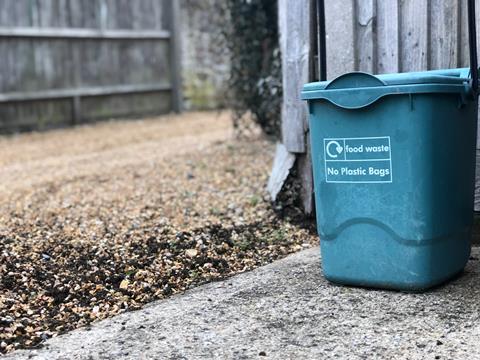
The research also found only one in two consumers regularly use a food waste bin.
Beams pointed to a “24% engagement gap” from those who have a food waste bin but do not use it properly, while a further 25% lack access entirely.
“The opportunity lies in activation to convert positive intention, beyond the required infrastructure rollout,” she added.
Herszenhorn said the opportunity to reduce food waste is “often hidden in plain sight”.
“With the right support, from practical advice through campaigns like Love Food Hate Waste, alongside consistent food waste collection services, households can be helped to turn intention into action and reduce both waste and costs,” she said.






No comments yet