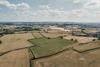
drought fields - getty

Source: Getty Images

Over the weekend the government announced a raft of support for farmers in light of the ongoing drought in much of the country

The government’s drought package is an “important step” according to the industry.

Over the weekend the government announced a raft of support for farmers in light of the ongoing drought in much of the country.

Following a Cobra meeting, the government announced temporary adjustments to Environmental Land Management agreements, an extra £50m for the Sustainable Farming Incentive 2026 Window 2, and action to make it easier to build reservoirs, including reducing unnecessary barriers and updating planning guidance.

The government also said it would make £15m of funding available to build on-farm reservoirs and improve access to water during drought conditions. The Environment Agency will also prioritise requests for short-term variations to abstraction licenses.

The move has been welcomed by the NFU, which has warned drought will increase the cost of producing food for many farmers and growers.

“Providing this relief package and meeting with farmers to hear first-hand from them, it’s clear that the prime minister has recognised the serious impacts this drought is having on farmers and on our ability to water crops, feed livestock and keep food production on track,” said NFU president Tom Bradshaw.

“It signals that investment in farming’s resilience is an investment in the country’s resilience.”

He welcomed the increased funds into SFI and ELM schemes, but added that cashflow was a significant challenge and “urgent support” was needed.

“This government has said food security is national security, a sentiment the prime minister has echoed,” added Bradshaw. “Securing access to water for food production is vital to this, and so is building resilience across our entire food system.”

He has called for further detail on how many of these announcements would work in practice to ensure “the process is streamlined and the grants are accessible”.

NFU deputy president Paul Tompkins added: “This announcement rightly recognises that it will take a combination of approaches: improved planning to remove unnecessary barriers and make it easier to build farm infrastructure, simplified abstraction arrangements so farmers can access water more easily and financial support to help invest in farm reservoirs and equipment to build long-term food resilience.” 

The news comes as AHDB has reported “historically low yields” across cereal crops with wheat 13% below the five year average and oats at a 46 year low. 

“We had hoped that average yields might improve as harvest progressed into areas less affected by the prolonged hot and dry weather,” said Anthony Hopkins, AHDB’s director of cereals & oilseeds. “So far, the evidence suggests that hasn’t happened.” 

Production of key crops are anticipated to fall to just 18.5 million tonnes which would make it the smallest on record. 

“The outlook for this year’s harvest has gone from bad to worse,” said Chris Jaccarini, food economist at the Energy and Climate Intelligence Unit. ”Farmers were already facing the prospect of the worst harvest on record, but the latest figures suggest losses will be even greater than first thought.

”With this year’s unprecedented weather impacting all farming sectors – from meat to vegetables to grains - it’s clear that food production is on the front line of climate change.”