




Post-Brexit trade disruption with the EU has been laid bare by new Food & Drink Federation data, which shows exports of food and drink to the bloc have slumped by almost a quarter on pre-Brexit levels.
Exports to the EU between 2021 and 2025 were down by 23.4% compared with the five-year period between 2016 and 2020, according to the FDF’s Trade Snapshot for the third quarter of 2025, published today (17 December).
Drawing on HMRC data, the snapshot showed big falls in export volumes to all the UK’s major EU trading partners, driven by sanitary and phytosanitary (SPS) barriers, such as “parallel risk assessments”, which “duplicate effort and slow innovation”, the industry body said.
Volumes to the UK’s closest and biggest food and drink trading partner Ireland fell 5.5% between the two periods, while the Netherlands (–22.9%), Spain (–20.7%), France (–15%), Belgium (–39.9%), Germany (–59.1%) and Poland (–51.9%) also showed significant drops.
Total year-on-year exports to the EU in 2025 to date, however, rose by 5.5% to £10.9bn, underpinned by a recovery in volumes, which rose by 5.1% to five billion kg.
However, the FDF warned significant work was still required for pre-Brexit volumes to fully recover – despite the ongoing negotiations with the EU on a new SPS deal, part of the ‘EU reset’ agreed between prime minister Keir Starmer and the bloc in May.
The SPS agreement, which is not expected will be agreed and implemented until 2027 at the earliest, would be “a positive step towards reducing some of the current cost and complexity associated with trading with the EU”, the FDF said.
“But it won’t remove all barriers to trade and will require renewed support for businesses which will need to change their operations following negotiations.”
This included providing businesses with sufficient transition periods and timelines during negotiations, “to ensure industry can adapt to new trading conditions and the agreement delivers on its potential”, the trade body added. Such action would be vital if the UK government were to meet its goal of boosting food and drink exports by £10bn by 2035.
SPS rule liberalisation was also “just one part of the puzzle”, the FDF pointed out, and not a “silver bullet”.
“It would address key issues like food safety and plant health, but there’s still wider regulation causing friction when trading with Europe,” it warned. “Developing complementary policy on areas like packaging and labelling, alongside continuing to support businesses navigating customs procedures, will also be vital to improving our trade relationship with the EU following negotiations.”
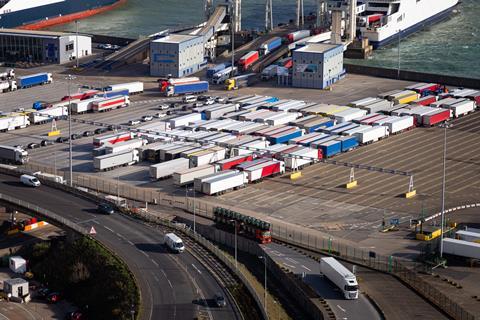
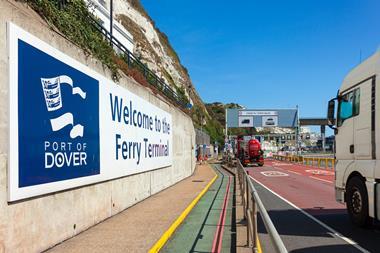
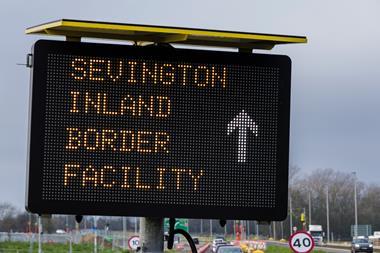
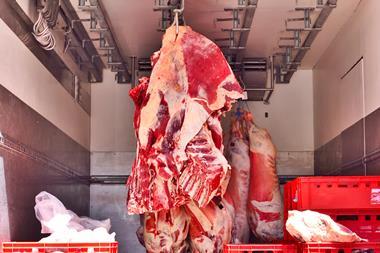
The report comes as trade barriers for UK meat exporters to the EU have come under the spotlight over the past week. Industry body AIMS told The Grocer on Monday that more than £10m worth of shipments had been delayed or seized at the EU border over the past four months due to increasingly “officious” controls at Calais, alongside a “failure” by the FSA to “deliver a competent meat inspection service”.
Read more: UK seals free trade deal with South Korea, with Guinness and Scottish salmon to benefit
The FDF snapshot report also showed the UK’s global food and drink export volumes had risen by 5.8% since the start of 2025 to £18.9bn.
This had been led by growth in exports to markets beyond the EU, which had outpaced EU exports, rising 6.2% year on year in value terms.
New global trading relationships had driven this growth, including with India – which signed a trade deal with the UK in July – where exports volumes were up 9.6% so far this year. The Gulf Cooperation Council (GCC) also bought more UK food and drink, with exports to the bloc increasing by 6.3%.
Imports from non-EU countries had also seen a notable surge, the FDF said, rising 17.1% year on year, contributing to the UK’s food security – with total food and drink imports reaching new highs this year to date, totalling £49.6bn.
“At a time when food and drink businesses are facing rising production costs, regulatory pressures, and weak consumer confidence at home, easing barriers to trade and growing our exports could not be more important,” said FDF CEO Karen Betts.
“We’ve seen exports to the rest of the world outpace the EU in the last year, and there’s much more government can do to work with exporters, particularly SMEs, to ensure we maintain that momentum,” she added.
“We’re calling on government to work with us on a 10-year export growth plan, backed by £2.6m of government funds to help businesses expand to new markets. This will support the government’s ‘number one’ growth mission, as well as building the resilience and competitiveness of UK food and drink manufacturing.”
It comes as the UK finalised a new free trade agreement with South Korea on Monday, with 98% of UK trade with the country due to continue to be tariff-free from next month.




No comments yet