






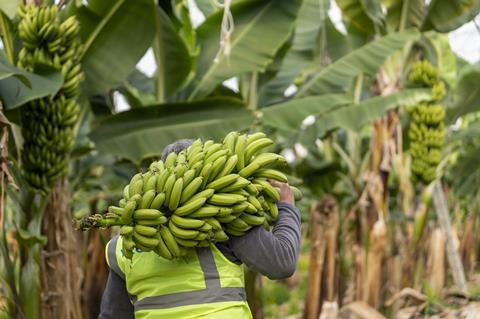
Public concern over the impact of climate change on the supply of everyday food staples such as tea, coffee, bananas and chocolate has soared, new research by the Fairtrade Foundation has revealed.
With already extreme weather conditions expected to be further impacted by worsening El Niño conditions, polling by Kantar for Fairtrade revealed that 84% of British adults were “concerned about the impact of climate change on the UK’s food supplies”.
After a summer of record heatwaves and droughts, the survey of 1,231 UK consumers in August also found that over a quarter (26%) were now “much more concerned” than in previous years. Fears over food security were even higher among young people, with 69% of 16 to 24-year-olds saying this summer had “made them more worried about climate impacts on food”, Fairtrade said.
The research, unveiled to mark Fairtrade Fortnight between 21 September and 4 October, additionally revealed that while 56% of people were already aware that climate change was contributing to higher prices for everyday staples like coffee, tea and chocolate, over a third (34%) were not – “suggesting significant room for public education as climate shocks intensify”.
Fairtrade cited the impact of worsening climate conditions over the past year on coffee producers in Sumatra, which were affected by flooding, as a key example of the impact on growers.
Banana plantations in Colombia were also devastated by strong winds, while hailstorms reduced tea yields by around a third for some smallholder farmers in Kericho, Kenya.
Calls for fair pay for growers
It comes as the ethical trading certification body this week launched its Fair Pay campaign, calling for living incomes for the farmers who grow some of the UK’s favourite products.
Fairtrade is urging shoppers, businesses and the UK government “to commit to fair pay for farmers overseas, so they can afford a decent standard of living for all household members, and can invest in climate-smart farming, protect their livelihoods and build more resilient food supply chains”.
Without fair pay, farmers would not be able to afford the investments needed to adapt to a changing climate, putting their livelihoods and global food security at risk, it added, with its polling showing that 74% of UK adults “support increasing payments to farmers growing tea, coffee, cocoa and bananas to help them respond to climate change”.
A further 78% were also concerned about the impact climate change was having on the prices of products they regularly buy. And among takeaway coffee drinkers, some 65% said they would pay a few pence more if it helped farmers protect future coffee supplies.
“This summer’s extreme weather has been a stark reminder that food security cannot be taken for granted,” said Fairtrade Foundation CEO Eleanor Harrison.
“If we want resilient food supplies, we must invest in the people who produce our food. Paying farmers fairly, both in the UK and around the world, is not just the right thing to do; it is essential to securing the crops and products we all rely on,” she added.
“With the prime minister now settled in, we expect the government to show greater ambition on responsible business legislation. Forty per cent of the UK’s food is imported, making resilient global supply chains a matter of national interest. Stronger legislation can help protect farmers and workers from exploitation, safeguard future food supplies and reduce the risk of rising food prices.”
Fairtrade’s campaign comes against a backdrop of growing pressure on businesses to improve oversight of their global supply chains. This summer, the organisation launched an updated Human Rights Remediation policy, setting out how it will respond to allegations of child labour, forced labour, sexual harassment and other abuses in certified supply chains.
The policy expands Fairtrade’s formal complaints and remediation procedures, while introducing clearer processes for supporting workers and communities affected by human rights and environmental harms.
“Fairtrade works in regions where violations of human rights could occur,” said Lilian Maina, a senior manager for social protection at the body. “Our work is most needed in these areas, and our Human Rights Remediation Policy articulates Fairtrade’s approach and process for enabling remediation of the most salient human rights violations.”
Elsewhere, the foundation is also calling for Human Rights and Environmental Due Diligence legislation to ensure businesses take responsibility for the people and environments behind their supply chains. More than 107,000 people have already signed a petition calling for a responsible business law.








No comments yet