





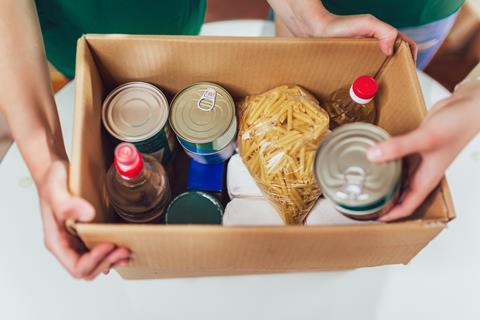
Global food banks saw a huge increase in agricultural produce last year as farmers and packhouses sought to prevent unsellable crops going to waste.
New data from The Global FoodBanking Network (GFN), which operates in over 50 countries, found food coming direct from agriculture grew 55% in 2025, helping to salvage over 200k tonnes of edible food.
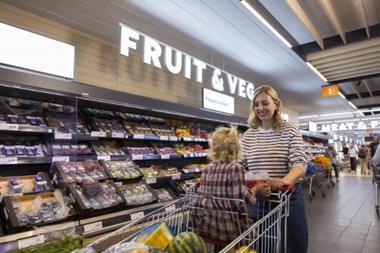
The group said most of it was fruit & vegetables, which accounted for nearly half of all food distributed by the network – the largest single product category.
As global food systems continue to experience shocks, the number of people using food banks around the world rose 6.5% to 40.5 million people last year.
The rise reflects the growing demand as people face the impact of food system shocks alongside sudden reductions in official development assistance, according to the group.
“Last year, dramatic and sudden reductions in official development assistance set off the most significant upheaval of humanitarian funding in decades,” said president and CEO Lisa Moon.
“Food banks – ever agile, responsive and resilient – continued to serve as safety nets around the world, connecting local communities to nutritious food, despite the challenges.”
In total, GFN said food banks prevented over 500k tonnes of food from going to waste – roughly the same environmental impact as pulling 473k vehicles off the road for a year.
Food banks are increasingly looking to offer their services without the need for complex infrastructure and in many cases are turning to virtual food banking.
Virtual food banking or “direct collection” allows people with surplus food to provide it directly to community agencies that distribute food, usually with the aid of technology. In 2025, 27 food banks in the GFN network operated virtual food banking programmes.
These models are both low cost and low infrastructure, offering dynamic alternatives that reduce operational costs, bypass logistical bottlenecks and maximise local food recovery – stretching limited funding further.



No comments yet