



Hundreds of products reformulated to meet advertising restrictions coming into force in January will be forced off the shelves if the government pushes ahead with “enormous” changes to HFSS classifications, food bosses have warned.
A proposed overhaul of the Nutrient Profiling Model (NPM), due to be consulted on in the new year, will make the extension of the sugar tax in Rachel Reeves’ budget look tame, they said. Cereals, fruit juices, yoghurts and smoothies are all facing being rebranded as HFSS, despite manufacturers spending hundreds of millions making them healthier.
Under Wes Streeting’s 10-year NHS plan the government is to revive a 2018 review of the NPM, which had been put on ice by the previous Tory government.
The Grocer revealed in March 2018 that the now defunct Public Health England, which first consulted on the changes, had admitted thousands of SKUs would be reclassified as unhealthy because of tougher guidelines on sugar in the reviewed model.
Streeting set out plans in July saying it was time for the “outdated” model, which dates back to 2004, to be updated. The industry has been told a consultation is expected to begin in January, the same month as the government’s 9pm TV watershed and online HFSS ban comes into force, based on the previous guidelines.
Reformulations at risk
The HFSS in-store promotions ban is also operated under the old NPM model and, giving evidence to MPs this week, food bosses warned the changes now coming down the track would spell the death knell for many products which have been reformulated to meet the regulations.
FDF chief scientific officer Kate Halliwell said hundreds of millions of pounds of investment in reformulation was being put at risk by moving the goalposts.
She told the House of Commons Health & Social Care Committee the levels of sugar reduction being demanded under the 2018 review were “simply not achievable”.
“If the new model as stated in the NHS plan comes into the promotions and advertising for many categories, they will not be able to hit the targets.That will mean some of the healthier products that have been reformulated will no longer sell and are likely to go off the shelf.
“The new model is much stricter on sugars.
“The purpose of the policy on promotion and advertising, as I understand it, is to drive reformulation, and the sugar levels on a lot of those categories on the new model is set at a level where that reformulation won’t be possible.”
A supplier source told The Grocer the changes required would be an “absolute disaster” for the food industry.
“The scale of the changes make the extension of the SDIL in the budget pale into insignificance,” they said. “We are talking about absolutely enormous changes including all fruit juices and smoothies being reclassified as HFSS. It is going to be carnage on the shelves if it goes ahead.”
Time for change
Katharine Jenner, Executive Director, Obesity Health Alliance said that, at 20 years old, the current Nutrient Profiling Model “no longer reflects modern dietary guidance, today’s food system, or the health needs of the population”.
”Updating it is the most sensible next step – and let’s be honest, no one in the food industry can pretend they didn’t see this coming. After six years of consultations and expert reviews, any sudden objections feel rather disingenuous, and the unevidenced rhetoric we’ve heard edges into scaremongering.
“Companies can still make and sell less healthy products if they wish to prioritise profits over public health. The updated model simply takes unhealthy foods out of the spotlight they’ve enjoyed for far too long and shifts attention towards products that support people’s health rather than undermine it,” she added.
“This isn’t moving the goalposts; it’s modernising the rulebook for a country facing record levels of diet-related disease. We strongly support the Government publishing the revised model without delay as part of its ‘moonshot to end the obesity epidemic’.”
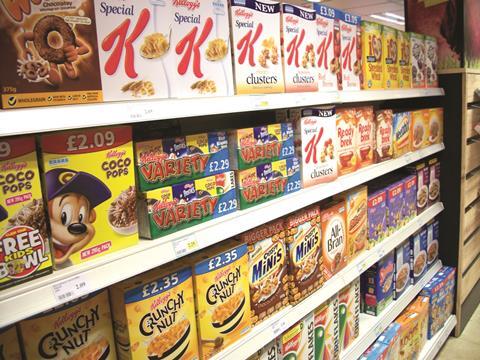
In the Commons, the FDF’s Halliwell hesitated when she was asked by MPs on the committee if it was right that parents should give their children products such as sugar-laden Coco Pops in their everyday diets.
“I would say it is a healthy product as defined by the Nutrient Profiling Model,” she said.
She added: “Any breakfast cereals, including Coco Pops, are not energy-dense products.
“Breakfast cereals, I think, generally are healthy.”




No comments yet