



Rising food prices led to a rise in overall retail inflation in December and pushed shoppers to seek out savings ahead of Christmas, new data out this morning has revealed.
Food inflation increased to 3.3% year on year last month, compared with 3% in November, according to the latest BRC-NIQ shop price index. It remained in line with the three-month average of 3.3%.
Fresh food prices ticked up by 3.8% in the period, versus a 3.6% rise in prior month, while ambient food inflation hit 2.5%, up from 2.4%.
Prices in non-food fell in December, with a decrease of 0.6%, which was the same figure recorded in November.
It left overall shop price inflation at 0.7%, up from 0.6% in November.
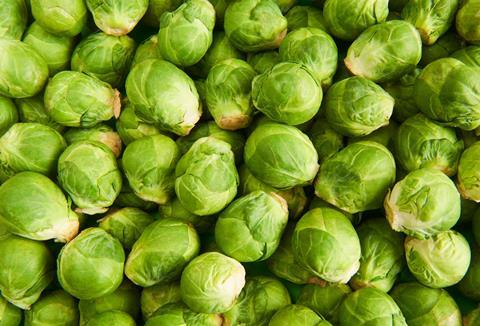
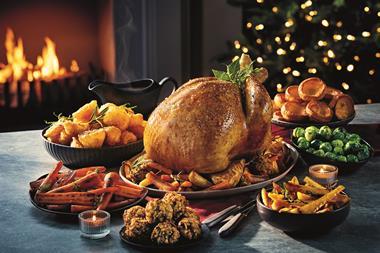
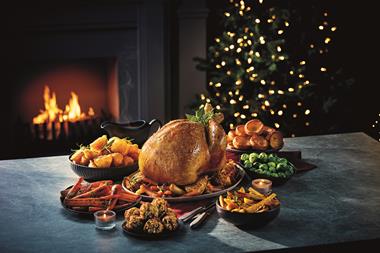
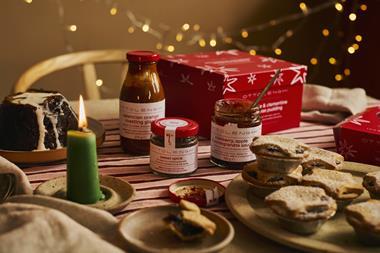
BRC chief executive Helen Dickinson said, despite food prices rising at a faster pace, that shoppers still managed to find bargains across Christmas essentials such as vegetables, cheese and alcohol as supermarkets battled to get customers through the doors.
“Promotions were also widespread across popular gifting categories, including toys, books and home entertainment,” she added.
“This year, retailers will continue to do all they can to keep prices down. While falling energy prices and improved crop supply should help ease some cost pressures, increased public policy costs and regulation will likely keep inflation sticky.”
Dickinson called on the government to do more to help reduce pressures in the sector in 2026.
Mike Watkins, head of retailer and business insight at NIQ, said: “This Christmas, shoppers remained cautious, prioritising affordability.
“Retailers worked hard to encourage spending by keeping supply chain price increases to a minimum, and many food retailers reduced prices in December to support demand.
“Looking ahead to 2026, although inflation has peaked, weak shopper sentiment is likely to persist, so shoppers will continue to seek out lower prices and promotional offers.”


No comments yet