


Fyffes has launched its Sustainability Strategy 2025-2035 with a series of long-term commitments across climate, agriculture, packaging, food loss and waste, human rights and community impact.
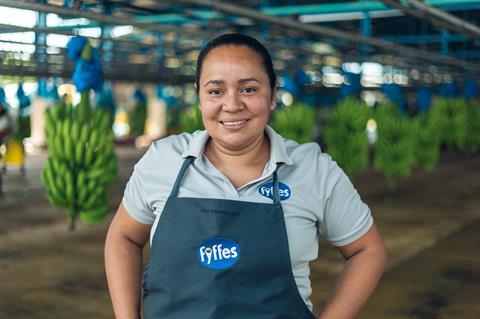
Among these commitments is the target to achieve gender parity in senior leadership and at least 30% female representation in supervisory operational roles by 2035 in its own operations.
The business said the new strategy built on its existing sustainability programme with the introduction of additional targets extending to 2035.
The updated framework reflects “evolving stakeholder expectations, regulatory developments and the import of integrating sustainability considerations into long-term business planning”.
“Sustainability is about more than environmental performance,” said Caoimhe Buckley, chief corporate affairs officer at Fyffes. “It is also about supporting fair and inclusive workplaces, respecting human rights and contributing positively to the communities connected to our supply chain.
“This strategy brings those priorities together within a single framework that will guide our actions through to 2035.”
The strategy’s Enriching People’s Lives pillar will see the business build on its existing gender equality programmes by strengthening pathways for women to progress into supervisory and senior leadership positions across its owned operations.
“Agriculture depends on the skills, experience and contribution of people throughout the value chain, yet women remain underrepresented in many leadership and operational roles across the sector,” said Buckley. “Our new target reflects our commitment to creating greater opportunities for women to progress into supervisory and leadership positions across our business.”
Other targets include improving wellbeing for 50 million people across its supply chain through programmes responding to locally identified needs.
Fyffes has also committed to maintaining zero fatalities and reducing workplace injury rates by 20% by 2030 across owned operations.
The strategy will also ensure that 100% of Fyffes-owned farms and high-risk suppliers are covered by independent human rights and environmental impact assessments by 2028.
From an environmental perspective, Fyffes has submitted targets to reduce absolute greenhouse gas emissions across its operations and supply chain in line with a 1.5°C pathway to the Science Based Targets initiative.
The company has also committed to expanding regenerative agriculture practices across 13,000 hectares (owned and growers) of banana and pineapple production by 2035 and pledged to reduce plastic packaging by 40% and overall single-use plastic by 10% by 2030.
It also aims to reduce food loss across the banana and pineapple supply chain by 70,000 tonnes by 2035 while continuing to maximise the repurposing of unavoidable surplus fruit.
“The challenges facing global food systems require long-term thinking and collaboration across supply chains,” added Buckley. “Through this strategy, we are establishing clear, measurable targets across the areas that are most material to our business and stakeholders.
“We will continue to monitor and report on our progress as we work towards these commitments.”
These commitments build on progress made by the company under its previous sustainability framework, including providing more than 36 million healthy meals to vulnerable communities, educating more than three million people on healthy eating and food waste reduction, reducing its Scope 1 and 2 GHG emissions intensity by 46% from 2020 to 2025, and achieving water management plan coverage across all Fyffes farms.



No comments yet