





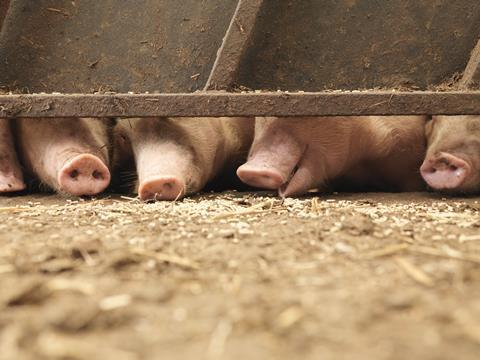
Global livestock farming is heading drastically in the wrong direction, piling ever more pressure on the living world, a new report has found.
The number of animals farmed worldwide has grown by half in the past two decades while the amount of cropland used to feed them is up by more than a quarter.
The report from the Stop Financing Factory Farming (S3F) coalition comes 20 years after the UN warned of the “catastrophic environmental impacts” of the growing livestock sector in a seminal report, Livestock’s Long Shadow.
The S3F researchers found that not only have governments failed to respond and curb the impacts of the sector, but “industrial livestock production is now pushing multiple planetary boundaries beyond safe limits while receiving substantial public support from development finance institutions”.
The report called on policymakers to repurpose “harmful” agricultural subsidies and ensure the price of food reflects its true environmental and societal costs by taxing industrially produced food. This should then be used to subsidise nutritious, sustainable food, the researchers said.
Peter Stevenson, chief policy adviser at Compassion in World Farming, said the amount of intensively produced meat and milk must be cut if we are to reverse the environmental damage caused by the rampant global livestock sector.
“We should move to forms of farming such as agroecology that minimise the use of synthetic fertilisers and chemical pesticides. Such nature-based farming can restore biodiversity, build soil quality, conserve water and store carbon while boosting crop yields and the incomes and livelihoods of smallholder farmers.”
Livestock emissions need to drop by half by 2030 to meet the World Bank’s target of net zero food emissions by 2050, according to a 2024 Harvard survey of 200 climate scientists. Yet according to the UN, livestock emissions have actually grown by more than a fifth from 2001 to 2023.







No comments yet