




Supermarket bosses have revealed groundbreaking plans which could save food redistribution charities millions of pounds in transport costs.
Working with logistics experts, retailers have developed new ways to deliver food surplus from their suppliers using spare space in their delivery vehicles.
With an estimated 30% of HGV road miles in the UK driven empty, according to Department for Transport (DfT) figures, retailers have started trials under the industry’s Alliance Food Sourcing (AFS) collaboration, which launched in 2024 in response to King Charles’ Coronation Food Project.
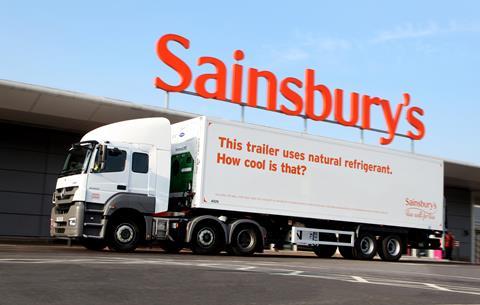
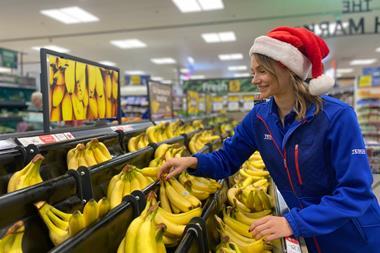
Sainsbury’s became the first retailer to take part in the trial and has been delivering fruit and veg from its suppliers, that would otherwise be wasted, in quantities of up to 15 pallets per lorry loads, to food distribution charities FareShare and The Felix Project.
Working alongside logistics expert GXO and management consultant Baringa, the supermarket has mapped out routes so it can add the extra loads for the charities to its existing delivery routes, and make use of spare capacity on its lorries.
AFS estimates that the Sainsbury’s trial alone will save the charities over £150,000, but Tesco has indicated it too will now take part in the trials, with a hope that other supermarkets will follow.
“Matching up the routes of empty Sainsbury’s vehicles with those with suppliers based nearby that regularly donate to charities, and committing logistical support for these overlapping journeys, will significantly reduce the cost base for The Felix Project and enable them to better support the communities they serve,” said Carin Rouse, head of supply chain at Sainsbury’s.
“AFS has enabled a variety of stakeholders across the retail, logistics and charity sectors to collaborate and quickly get ‘speed dating for trucks’ operationalised, and therefore more food directly from the supply base to frontline charities, without adding significant complexity or cost. I imagine in the near future, our industry will be thinking: why did we not do this earlier?”
Sainsbury’s CEO Simon Roberts added: “Our ambitious trial with GXO aims to optimise our combined transportation networks and reduce the costs involved in distributing food for the incredible charities tacking food poverty.”
The move comes at a crucial time for food charities. The Grocer revealed earlier this week the war in Iran has driven up already high transport costs, and sparked fears of a crisis for food banks and other services helping those in poverty.
FareShare, whose national logistics operation moves 50,000 tonnes of surplus food from more than 1,000 supplier locations to 8,500 charities, said it already spent £4.6m every year on logistics.
“Working side by side means we can achieve the scale of impact needed to tackle food poverty,” said AFS director Nicky Robinson.
“Pooling the tech and logistics expertise helped identify significant spare capacity in HGVs, which can now be put to good use, getting surplus food from warehouses to frontline charities.
“Sainsbury’s will pilot the scheme, which could save charities millions of pounds. Tesco is also involved and we look forward to rolling it out further.”
“It’s a great example of the industry coming together to find solutions.”





No comments yet