
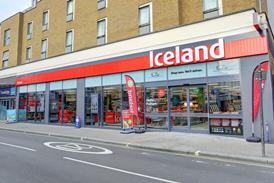


Iceland’s food and drink prices rose below the UK rate of food inflation last month, new data shows.
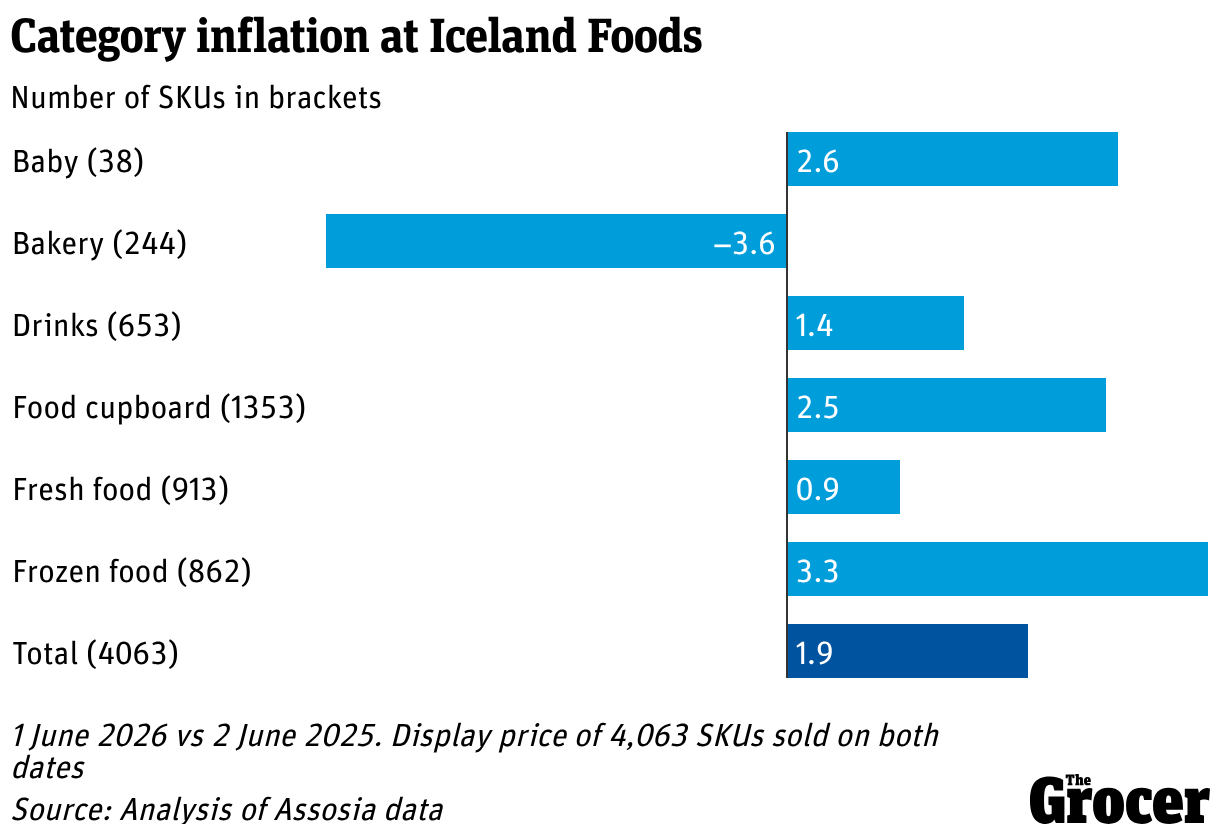
The Grocer analysed the prices of 4,063 items sold on Monday 1 June 2026 and a year ago using data from Assosia.
In total those grocery items cost 1.9% more than last year, well below the ONS’s food inflation figure of 3% for April 2026, the most recent figures available.
At a category level Iceland’s 244 bakery SKUs cost 3.6% less than last year, while the highest rises were in frozen items, which cost 3.3% more.
The findings come after a dispute between Iceland and Worldpanel by Numerator over what Iceland described as “flawed” methodology with its inflation measures.
Worldpanel figures reported by The Telegraph on Tuesday showed Iceland’s prices had risen by 5.8% in the four weeks to 19 April 2026, putting it above the industry average of 3.8%.
Executive chairman Richard Walker hit back at the figures and said they had been distorted by half-price lamb deals which were available at Iceland last Easter.
He said: “This is flawed methodology, based off a small panel questionnaire, over a few weeks in April – a moment in time when Iceland had some very specific lamb deals in place last year, which distorts the comparison. It also does not take into account new products and deals in place this year.
“In fact, Worldpanel’s most recent data shows Iceland at 2.6% – below the wider market.”
Walker was appointed as the government’s cost of living champion in February. In the voluntary role Walker is working with No 10 to shape policy to help people cope with the cost of living.
Research conducted by Iceland released this week found more than two-thirds of Brits are worried about rising food prices, with 40% admitting they have skipped meals to save money on food shopping.
More than half (55%) reported feeling “stressed and anxious” about prices and 74% want supermarkets to help, the research found.
Iceland said the new discounts under its Frozen Pledge would help. Its new round of discounts and deals on over 200 frozen products were part of one of its “most significant customer savings initiatives to date”.
Walker added: “We tirelessly track prices, investing where customers need it most, to ensure our prices are consistently lower than the market. Families are still under real pressure, which is why we are putting more money into deals, lower prices and value across frozen food and everyday favourites.”
Worldpanel declined to comment on the specific methodology it uses to track prices at Iceland.
A spokesman said: “Worldpanel by Numerator tracks the take-home grocery purchasing of 30,000 demographically representative households across Great Britain. The inflation figure is drawn from over 75,000 identical products compared year on year, in the proportions actually purchased by British shoppers – making it the most authoritative figure currently available.”

No comments yet