



Innis & Gunn has halved its losses to £747k despite falling sales and a “persistently difficult trading environment”.
Group revenues fell 2.3% to £23.6m in the year to 31 March 2025, as Scottish on-trade volumes fell 12.5% and the off-trade was hit by a 30% hike in Scottish minimum unit pricing (MUP) regulations.
Despite the blow to the Scottish brewer’s top line, the business managed to “strengthen its underlying resilience” and improve profitability for a second year running.
Innis & Gunn halved its operating losses from £1.6m to £747k. Its EBITDA improved even more rapidly, increasing from a loss of £911k to just £276k, according to accounts filed at Companies House.
Gross margin rose from 34.8% to 37.7%, representing a 3.1pp improvement.
“We have made consistent and encouraging progress as a result of a disciplined strategy against a very challenging UK market backdrop,” said Innis & Gunn founder Dougal Sharp.
“We’ve invested in building the brand, doubled down on our premium portfolio, and consistently championed our ‘Brewed by Scotland’ message – helping us deliver a year of marked profitability improvement.”
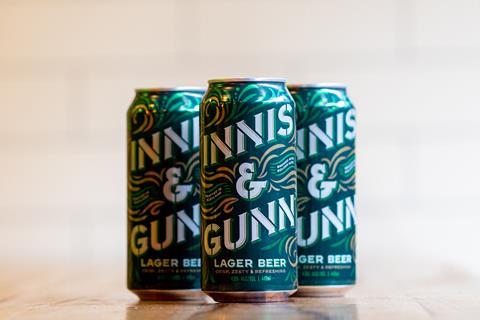
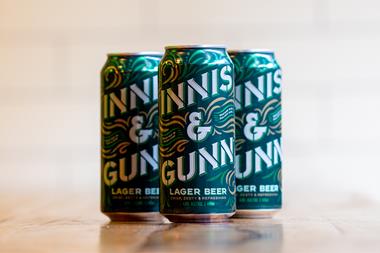
Proactive steps to counteract the sluggish market included the launch of a new 10x330ml pack of canned lager to “preserve [the brand’s mid-pack positioning” despite higher MUP and a range extension into tequila-matured lager with its Tequila Blonde SKU.
Rapid growth in sales for its four-bottle lager packs and 43% growth in its zero-alcohol offering also boosted sales, and consumers increasingly opted for the brewer’s flagship 660ml bottle, with sales up 11%.
The group was likewise helped by strong growth abroad, and with local brewing now “fully established in Canada, the region achieved 13.9% sales growth. Sweden was highlighted as a key European market, ending the year 32% ahead of budget.
Innis & Gunn’s hospitality and events business was likewise a “core driver of both turnover and brand awareness”, with turnover up 5%.
“We are continuing to connect the brand with culture – from partnering with events, venues and experiences that matter to our drinkers, to creating products that feel special and worth trading up for,” added Sharp.
“We’ve been uncompromising on premiumisation and highly selective about the activities that work hardest for us financially. That discipline provides a strong platform for the next phase of growth as we look ahead to further progress.”

No comments yet