
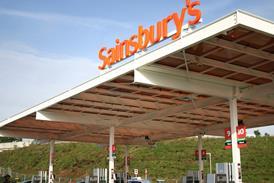




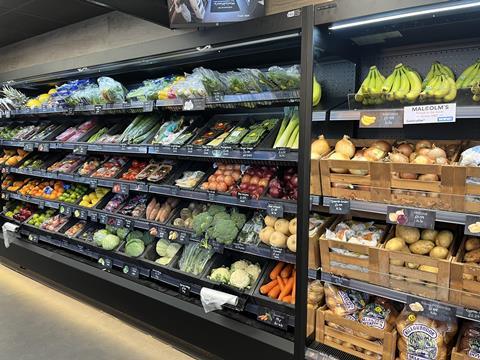
Supermarkets should be forced to display healthy food in prominent locations such as checkouts and store entrances, as part of a sweeping crackdown on health recommended after a cross-party inquiry by MPs.
The scathing report calls on incoming prime minister Andy Burnham to “stand up” to the food industry, whose lobbying it accuses of “delaying and watering down” policies on obesity.
Ministers should also close “glaring loopholes” in the new junk food advertising ban, which MPs said allow junk food brands to continue advertising unchecked, whilst the FSA should be put in charge of sweeping new mandatory health targets with powers to fine those that miss them.
The Health and Social Care Committee findings claim Labour has continued the pattern set by the previous government of allowing lobbying by the food industry to weaken proposals, such as the junk food ad ban and the implementation of the clampdown on in-store promotions.
“Throughout our inquiry we have seen examples where time and time again policy that has been designed to protect and improve children’s health and the health of the population is delayed or diluted in the face of threats from the food industry about the impact on food prices, jobs or the economy,” it concludes.
“This government cannot continue that pattern. It must be bolder and show unwavering commitment to the cause of preventing obesity.”
MPs argued the ad ban must be tightened “as soon as possible” to include more draconian restrictions on brands that have been finding gaps in the legislation.
Last week advertising watchdog the ASA cleared companies including Burger King, Domino’s, KFC and Uber Eats over complaints about their ads, because they did not break the rules after they were watered down last year following intervention from ministers and heavy lobbying from the food and marketing industries.
The report said ministers should “certainly not wait for the five-year implementation period to gather evidence on this”, adding that “evidence is already plentiful”.
The report also calls for the ban to be extended to all HFSS ads in outdoor settings, following claims that they have become a way to bypass the marketing restrictions.
Meanwhile the in-store promotions ban, which came into force in 2022 and was extended last year to include multibuy offers, should be toughened “no later” than January to include a requirement that fruit and vegetables are placed in prominent locations like checkouts and store entrances.
The future for health regulation
Today’s report also criticises the industry’s calls for the government to scrap or delay the introduction of the new nutrient profiling model (NPM), as proposed in the NHS 10-year plan.
It urges ministers to push ahead, arguing that the introduction of mandatory health reporting, as also proposed in the plan, would be “meaningless” without strict targets.
It also calls on Burnham to push ahead with Wes Streeting’s proposals for the Food Standards Agency to be given a new role in overseeing new regulations, which would also include mandatory reporting on the proportion of promotions for healthy products.
“The Food Standards Agency’s role should be expanded to cover the healthiness of food, as well as food safety,” says the report.
“It should report to parliament on progress towards healthier food production and on meeting targets for healthy food sales.”
Last month The Grocer revealed the FSA had received government funding to begin developing a new system of mandatory health reporting and targets, although all announcements on the regulations have since been put on hold pending the arrival of the new PM.
The committee’s report said the FSA should have powers to dish out “penalties on a sliding scale that could include fines” which could be ploughed back into making healthy food cheaper.
Food companies and trade bodies, however, should be barred from the negotiating room unless they showed significant progress towards making food healthier.
“The government should exclude food businesses that derive more than a certain proportion of sales from less healthy products from any discussions on the formation of policy on food, diet and obesity prevention,” the report concluded. “This should also apply to the industry associations that represent these businesses.”
Government should ‘be bold’
Committee chair, Liberal Democrat Layla Moran, said it was time for the government to get tough with the “constant bombardment of promotions and adverts” that were contributing to the UK childhood obesity crisis.
“We ask this government to be bold, not to fudge and delay food restrictions,” she said.
“While we acknowledge the costs of policy changes to the food industry, these are marginal compared to the huge costs of inaction on obesity to society, the economy and the health service.”
Katharine Jenner, executive director of the Obesity Health Alliance (OHA), said it was time for the government to change direction on health under the new PM.
“The government already has many of these policies on the table – mandatory health reporting and targets for large food businesses, stronger restrictions on the advertising and promotion of less healthy food, and an updated nutrient profiling model. Yet too often, measures designed to protect children’s health have been delayed or diluted after sustained pressure from industry,” she said.
“This is the moment for the government to break the ‘junk food cycle’ of inaction and deliver the healthier future families deserve.”
Lauren Bowes Byatt, director in the healthy life mission at Nesta, added: “The UK government outlined a world-leading approach to tackling obesity last year but it is now running out of time to stick the landing on these health targets for food businesses.
“The Committee’s report confirms that decades of voluntary approaches have failed to check the obesity crisis. It is time for the government to stay the course, resist any industry lobbying to delay this and mandate the changes needed to fix the food system.”
However, Kate Halliwell, chief scientific officer at the FDF, defended the role of trade bodies in negotiations.
“Government needs advice from the people who make food to understand if new policies are workable in practice.
“This expertise doesn’t exist in government departments. The proposed 2018 NPM is a case in point – industry wasn’t consulted when the model was redesigned, and we now have serious concerns that it will be unworkable.
“On the advertising and promotion restrictions, these have only just come into force. Our clear view is that government needs to assess whether the regulation is having an impact and how before deciding to impose further changes.”








No comments yet