




The National Drought Group has stepped up its response to the heatwave as parts of southern, central and eastern England move closer to drought status.
The recent extreme weather is having a “severe impact” and is affecting water supplies and food production.
As of the start of this week, eight areas across England were in prolonged dry weather – the stage before drought. Seven water companies have now implemented or announced future temporary use bans for 23 million customers.
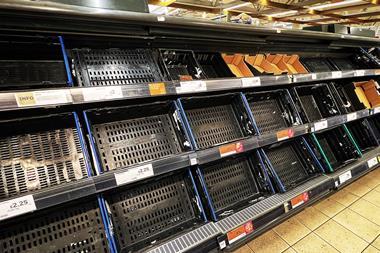
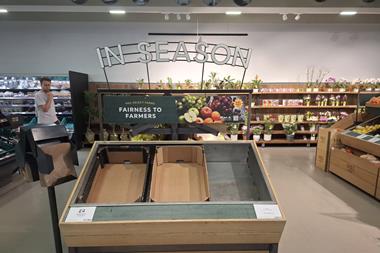
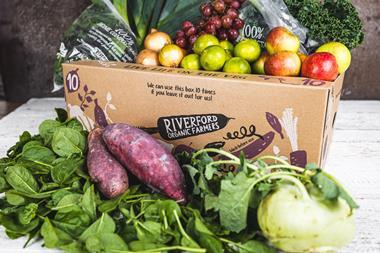
The weather is already having an impact on food production with cereals, dairy and brassicas among others suffering under the conditions.
“Dry weather depletes our water, while the hot conditions mean we use more of it,” said Helen Wakeham, chair of the NDG and director of water at the Environment Agency. “This is a difficult combination, and we are seeing the effects on our farmers, our wildlife, and the amount available for public and business use.”
The NDG – which includes the Met Office, government, regulators, water companies, farmers, Canal & River Trust, anglers and conservation experts – met on Monday following the recent heatwave, which saw 12 consecutive days of temperatures above 30°C.
England has only received 3% of its long-term average July rainfall, with the south and east of the country receiving nothing at all so far – the longest spell without rain since the mid-1990s.
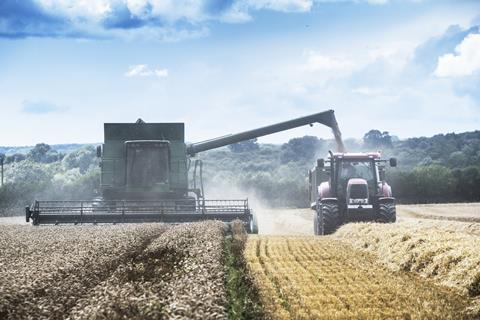
“Farmers and growers across the country are working around the clock to harvest crops which have come early, keep fruit & vegetables watered, and care for their livestock,” said Paul Tompkins, deputy president of the NFU.
He raised concerns that for arable farmers “this could be another difficult and expensive harvest after extreme weather impacts in both 2024 and 2025 which saw both drought and flood”.
“To help farmers adapt, we must strengthen resilience to climate volatility,” he added. “That means a more responsive abstraction licensing system, a consistent positive approach in planning to make building reservoirs easier, which will lead to investment in on-farm water storage.”
The NDG warned the exceptionally wet winter provided an initial buffer, but the intensity and longevity of the hot and dry weather was now taking a toll.
It comes as growers have warned of the toll it is taking on crops particularly braicas. The British Growers Association warned the current conditions were “proving to be a disaster”.
“Fields of Broccoli, Cauliflower and Cabbage have now stopped growing and become dormant, while available produce is smaller in size and weight and with the likelihood of crops bolting before reaching maturity,” it added.
The conditions are similar across Europe which BGA warned meant there “is no contingency for British shoppers”.
The association said: ”It’s heartbreaking to see valuable crops perish in the ground, heaping yet more pressure on growers already experiencing increasing costs and poor returns.”
“It’s worse than last year and is now having an impact on plantings for winter,” said Peter Durose, chairman of the British Brassica Association.
John Walgate, CEO of BGA called for “sensible water management” to be at the top of the list in a Defra sector growth plan.




No comments yet