



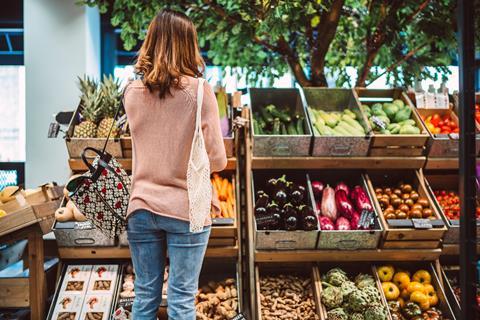
Organic sales outgrew non-organic by 400% in 2025, according to Soil Association Certification’s latest Organic Market Report.
Volume sales of organic grew by 1.2% last year compared with just 0.3% for non-organic in 2025.
At the same time, organic sales are now worth £3.9bn, up 4.2% in the past year and having doubled in the past decade.
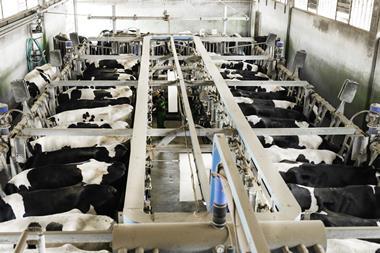
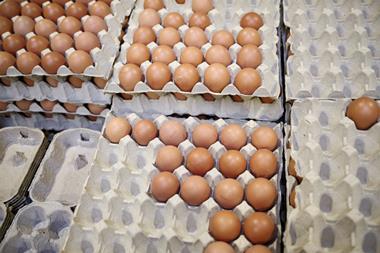
The organisation said supermarkets were the major driver of the growth, seeing a sales uplift of 7% and reporting unit growth four-times that of non-organic, while British sourced household staples pushed demand particularly in organic milk, eggs, and carrots.
Soil Association Certification commercial director Alex Cullen said the growth reflected consumer demand for “healthier, more nature friendly food”, driving purchases towards more whole foods. She also noted concerns with forever chemicals and desire for higher-welfare methods of production.
With a rising number of households in the UK having at least one GLP-1 drug user, the organisation said the trend to smaller but more nutrient-rich meal portions would “only become more prevalent”.
“Supermarkets have taken note of consumer demand for healthy, high-quality nutrient-rich food, and have reacted with rebrands and expansions to their organic ranges, along with more price promotions and loyalty discounts” continued Cullen. “Eighty-three per cent of households are buying organic, and the frequency of organic purchases has increased in supermarkets, with shoppers on average buying organic once every three weeks. That’s 17 trips to buy organic a year.
“Businesses are wise to take notice and continue to make organic food and drink available and accessible in their stores so that consumer footfall continues to be captured.”
Read more:
-
‘Defra error’ to blame as Soil Association Certification appeals ruling
-
Nc’nean distillery in £2.5m fundraise to fuel growth
-
Defra launches £345m package of farmer support
Ocado gained the biggest share of organic trade for the second year running (1.2%) and M&S, Aldi, and Lidl, followed closely behind (0.5%). Other major retailers recorded either stagnant shares or declines.
“Organic is really important to Ocado and we are working hard to expand choice for our customers,” said Simon Hinks, product director at Ocado. “Organic farming plays a crucial role in farming systems, and as a retailer that over-trades in organic, we recognise the importance of securing a robust and growing pool of organic suppliers.”
M&S increased its trade thanks to greater investment in organic including increasing ranging, new product launches and campaigns like Organic September.
Morrisons also held its position on share of trade of organic while Waitrose, Tesco and Sainsbury’s lost share to others but continued to ramp up commitments, the organisation said.
Despite consumer demand for British organic produce, Soil Association Certification said the amount of support offered to farmers in England fell short of other countries, with the nation’s share of organic farmland “stuck at 3%” according to Defra figures.
While there was an increase in land in conversion in England in 2025, it dramatically slowed when Sustainable Farming Incentive payments were frozen.
“It is heartening to see organic recognised as a way of farming with the highest environmental standards,” said Cullen. ”However, there is still a need for a longer-term vision to enable farmers to commit to more nature-friendly farming methods with the security of knowing the support, including financial, will be there.
The organisation pointed to work done in Scotland with the Scottish Organic Action Plan (launched in January 2026). Holyrood has committed to a three-year, £200,000-invested strategy aimed at expanding organic land, increasing production, and boosting demand for Scottish organic products.
The organisation has called for an English Organic Action Plan to “catalyse the public and private partnerships that will give farmers assurance in committing to organic conversion”.
“Changing geopolitical headwinds means it is more important than ever that the UK can become more resilient and self-sufficient in meeting demand for organic products,” Cullen continued. “The time has come for the UK government to meet consumer demand and safeguard the future of sustainable farming in England with a clearly funded plan.”
Cullen added: “If we want a resilient British food system, protection for our biodiversity and greater futureproofing for our farmers, the government needs to back organic.”
No comments yet