




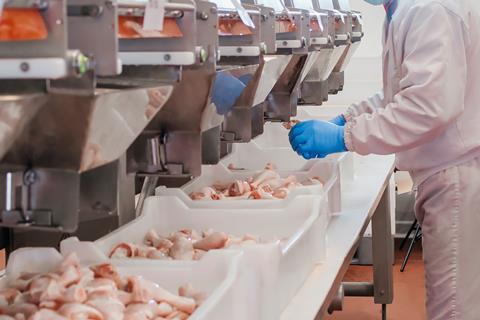
Major meat companies are backing a new initiative hoping to transform the balance of food surplus sent to redistribution.
While the latest figures from the Food Foundation show eight million people live in food poverty in the UK, including 2.1 million children, less than 5% of the food sent to frontline charities is meat.
Alliance Food Sourcing, the industry redistribution collaboration set up on the back of the King’s Coronation Food Project, has announced a new target to secure one million kilos of minced beef, fresh and frozen chicken, pork and fish to source protein for people in food insecurity.
Companies including 2 Sisters Food Group, Dovecote Park, Hilton Food Group and Cranswick are involved in the plan.
They have set a target of being able to provide almost five million portions of protein, based on a typical serving size of 180g.
Alliance Food Sourcing said the wholesale value of the protein it hoped to secure was around £4.5m, which it said demonstrated the significant scale of efforts being made.
The meat initiative is the latest in a series of measures announced this summer to help tackle food poverty through redistribution from the supply chain.
Last month, The Grocer revealed the body had worked with Princes to produce one million tins of Branston Baked Beans to be distributed through Felix’s network of over 8,000 community organisations, schools, food banks and community kitchens.
Earlier this month, Asda revealed it was creating a new cereal range to feed families in food poverty, with nearly 200 tonnes to be distributed over the summer holidays.
“Partnerships like this show the positive impact our industry can have, when we work together to tackle food waste and improve access to nutritious protein,” said 2 Sisters president Ranjit Singh.
“At 2 Sisters Food Group, we’re proud to support an initiative that helps ensure more good food reaches the people who need it most.
“Using realistic portion sizes also helps demonstrate the true scale of the difference these collaborations can make, for communities across the UK.”
Dovecote Park CEO Richard Canvin added: “We are proud to be part of such a worthwhile and beneficial scheme that directs food surplus to people in society who need it the most. By using small mince-based portions, that give flexibility to multiple recipes and meal solutions, charities can support more people.
“This initiative also takes advantage of surplus packaging that would otherwise end up as waste, ultimately improving the environmental impact of business.”
Wrap CEO Catherine David said she hoped the project would be a “win win”, which would help reduce the high environmental footprint of meat production at the same time as helping feed people suffering from food poverty.
“We support all efforts to redistribute high value and nutritious food that would otherwise go to waste,” she said.
“Meat production has a particularly high environmental footprint. The land, energy, water, feed and time that go into producing animal protein are lost when meat is wasted. This ambition reminds us of the scale of food waste from farm to family kitchens. Tackling waste right across the supply chain is one of the simplest ways to reduce the environmental impact of food, and to save businesses, people and communities money.”








No comments yet