




The Scottish Grocers’ Federation has warned that measures proposed by the Scottish government to cap prices could put many small local stores out of business.
The consultation, launched on 1 September, sets out criteria for which retailers the price cap obligations would apply to, as it seeks to define a “large supermarket” business.
It is proposing that if more than 50% of retailer’s annual turnover is from the sale of grocery items, and has more than 250 employees and a total annual turnover of more than £250m per annum, it will qualify for the measures.
The SGF, however, has warned the proposed criteria could target small independent convenience stores operating under a common fascia with a symbol group or franchise model.
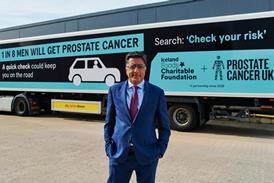
“If these measures are brought forward in their current form, they could decimate hundreds small local businesses operating under a symbol group,” said SGF CEO Pete Cheema. “It would be deeply damaging and entirely perverse if a policy intended to help consumers instead contributed to the closure of the very businesses their communities rely upon.
“Even for out-of-scope retailers, price caps on selected products will inevitably distort competition and have serious consequences for independent local businesses, risking pulling customers away from local shops and encouraging them to travel further to out-of-town supermarkets for everyday essentials.
“Local stores are not simply another place to shop. They are the backbone of many communities – providing essential and often lifeline goods and services, supporting local jobs, keeping money within the local economy and, crucially, serving people within walking distance of their homes.
“Independent retailers are already facing unprecedented pressure from rising costs, additional government regulation and global economic uncertainty. They must not become collateral damage in a policy intended to target ‘large’ businesses.”
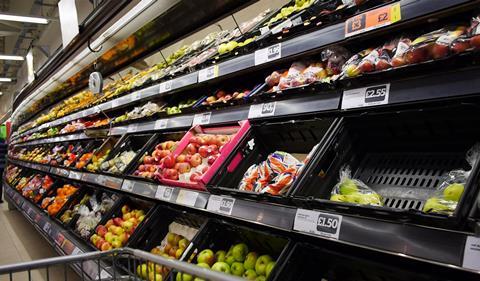
The Scottish government is proposing that the price cap would apply to essential food items which are considered part of a nutritious and balanced diet.
In the consultation paper, it said there was no universally recognised description of “essential” food, therefore the definition of the products to which the caps apply required “sufficient precision to support effective implementation, balanced with sufficient flexibility to support operational resilience”.
It added that products could be described by reference to characteristics. These could include size, weight or volume, such as a two-litre container of milk, and packaging format, such as a pack of six free-range eggs.



No comments yet