






Higher freight and logistics costs driven by ongoing instability along key global trade routes could push global food and drink prices up by at least 10% by Christmas, new research by the Chartered Institute of Procurement & Supply has warned.
A survey of more than 200 supply chain leaders for CIPS’ Q3 Global Pulse survey found that 22.9% expected food prices to climb by 10% or more by the end of the year. An additional 5.2% expected price hikes of more than 20%, due to the impact of soaring input costs such as fuel and fertiliser – caused by the ongoing Middle East conflict – on food production and transportation.
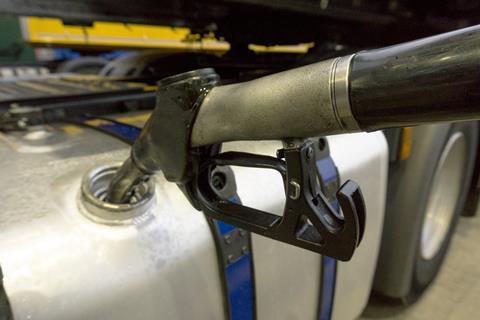
With the average UK price per litre of diesel topping £2 for the first time earlier this month, a further 35.7% of respondents said they expected shipping and logistics costs to rise by 10% over the same period, with 9.2% expecting an increase of 20% or more by the end of the year, the polling revealed.
Respondents described production costs becoming “difficult to reconcile with the prices customers are willing to pay”, while expectations of further increases extended across the full range of input categories, CIPS said.
Continued disruption, fluctuating fuel prices and instability along key global trade routes were compounding manufacturing costs and the expense of moving goods worldwide, it added.
And when given the opportunity to list specific goods of concern, respondents identified beef, seafood, dairy products, coffee, rice and vegetables among the foods most exposed to input price pressures.
One reported that fresh vegetable prices were already up by more than 10%. Another suggested prawns were affected to similar levels, while plastic and paper packaging prices were up 5%-10%.
“Earlier in the year, much of the immediate concern centred on the cost of moving goods that had already been made,” said CIPS chief economist John Glen.
“Now businesses must manufacture replacement stock using more expensive inputs and then pay more to transport it. That raises the underlying cost of production before a product reaches a warehouse or shop.”
Diesel was “particularly important because its cost runs through freight, distribution and parts of the production process”, Glen added. “When fuel, materials and logistics all become more expensive, a manufacturer cannot solve the problem simply by finding a cheaper delivery route.”
Inflationary pressures were already evident in respondents’ accounts. One CIPS member said: “The cost of manufacturing is becoming too high for the end product price point; suppliers are struggling to meet the cost expectations.”
Food supply concerns showed how weather, availability of fertiliser and commercial pressures could combine, the trade body pointed out.
Another poll respondent reported: “Weather conditions are pushing up the prices and supply quality of vegetables. Rice will be affected by El Niño. Middle East disruption has severely impacted the price and availability of plastics. Prices are rising and retailers do not want to accept the on-costs, putting huge pressure on manufacturers.”
This account illustrated the risk of food becoming more expensive to produce and package while suppliers struggle to recover their costs, CIPS said. And it also pointed to potential shortages of products as availability and quality fluctuated.
“Households will feel this at the till before Christmas,” predicted CIPS global CEO Ben Farrell.
“When food, packaging, fuel and components all cost more at the same time, those costs end up in the shopping basket. Procurement teams can still soften the blow, but only if businesses plan now rather than wait for empty shelves to force their hand.”






No comments yet