


Supermarkets will lose market share over the next five years as the sector enters a prolonged period of stagnant growth, the Institute of Grocery Distribution (IGD) has predicted.
The UK grocery market is transitioning from an inflation-led recovery into a stable, low-growth phase, with sales growth expected to fall from 4.5% in 2027 to 2.7% by 2031, IGD said.
By 2031, the remaining growth will be “highly uneven” and favour Aldi, Lidl, and online retailers who will capture a disproportionate share of incremental value. As a result, the discounters will be poised to overtake convenience as the UK’s second-largest grocery channel.
Convenience is still forecast to grow, but could cede share as it is impacted by declining tobacco and vape sales and wider regulatory change.
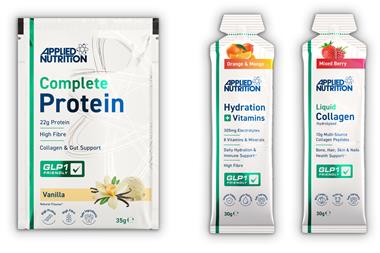
Societal factors will also begin to weigh on consumption, with GLP-1 adoption alone expected to offset £11.2bn of market growth, according to Alex Rowberry, IGD’s senior insight analyst.
“Retailers can no longer rely on a growing market to drive performance,” he said. “There will not be a meaningful recovery in underlying demand over the next five years.”
The conflict in the Middle East means food inflation will continue to weigh on demand, with rising prices now expected to persist longer than previously thought.
While cost pressures are building more gradually, IGD believes they will now last longer and pass through more slowly.
It predicts food inflation could hit 3.2% in the first half of 2028, although the impact will be highly variable across categories.
“For retailers and suppliers, this requires a more targeted approach to inflation management, with strategies tailored by category rather than relying on headline trends.”
Sainsbury’s CEO Simon Roberts noted there was “a lot of caution” among customers as the Iran war continues to exacerbate living costs.
While there was inflationary “pressure in the system”, he said on Tuesday, “it’s clear it’s not coming through as significantly as some had expected”.


No comments yet