


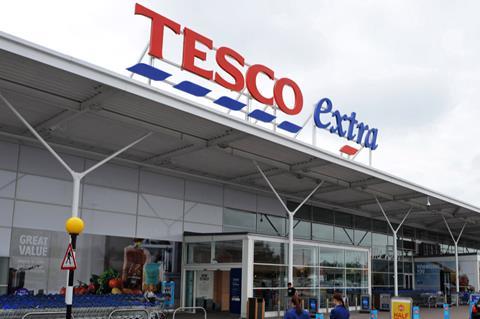
Tesco has completed its shift to cage-free across all own-brand shell eggs and ingredient eggs.
The move, across both its UK and Irish supply chains, means Tesco has fulfilled the commitment it made back in 2016. Tesco joins the likes of Asda and Lidl, who also hit their cage-free targets earlier this year.
Tesco confirmed its achievement in its Sustainability Report 2026, released last month. The retailer was also due to meet the commitment in central Europe and in its Booker operation, but fell short after challenging market conditions in Hungary and Slovakia, along with bird flu, scuppered its ambitions.
In addition to meeting its cage-free commitment, Tesco met its aim for all fresh chicken to be reared at a maximum stocking density of 30kg/sq m in March – exceeding the industry standard by 20%.
“Animal welfare is extremely important to us, and we’re committed to continually raising standards while supporting Britain’s poultry farmers,” a Tesco spokesperson told The Grocer.
“Alongside meeting our cage-free commitment across own-brand eggs in the UK, all of our fresh chicken is British and we continue to work closely with UK farmers to ensure it meets higher welfare requirements,” they continued. “This includes exceeding government standards by providing birds with 20% more space than the industry norm.”
The spokesperson added: “Our approach not only strengthens British agriculture but also helps drive improvements in welfare across the wider poultry sector, ensuring our customers can continue to enjoy high‑quality, responsibly sourced chicken and eggs at great value.”
Animal rights NGO Compassion in World Farming, the organisation behind the EggTrack report, which monitors cage-free commitments throughout the UK, Europe and beyond, hailed Tesco’s announcement in a statement released on LinkedIn.
“Many UK food businesses have already recognised the growing consumer demand for cage‑free eggs and are either fully compliant or well on their way,” Compassion said.
“The next logical step is for Defra to protect British farmers transitioning to cage-free by banning the import of caged eggs and ensuring that cage‑free production becomes the baseline standard across the UK,” the organisation continued.
It added: “We are looking forward to the results from the UK government’s consultation on phasing out all cages for laying hens and hope to see swift action to introduce legislation.”
The government announced a plan to phase out the use of cages for all laying hens by 2032, pending a yet-to-commence consultation with industry.

No comments yet