





UK food imports are “in the line of fire” of the rapidly developing El Niño climate pattern, which is set to send global temperatures to record highs over the next six months, experts have warned.
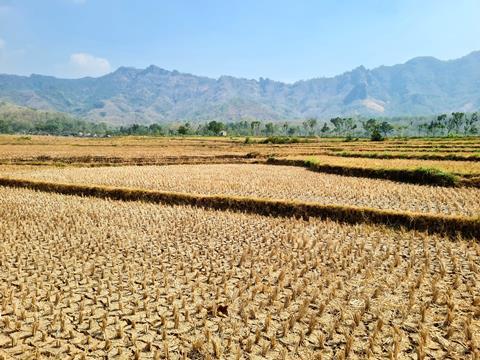
The UN’s World Meteorological Organization today warned there was a “near 100% likelihood” El Niño would persist until February 2027, with “exceptionally warm” temperatures in some parts of the Pacific Ocean – up more than 8 degrees Celsius year on year in August – set to intensify further.
El Niño was “supersizing before our eyes”, said United Nations secretary general António Guterres, raising the prospect of what the UN described as “months of extreme heat, floods, drought, and disruptive weather around the globe”.
The climate event was unfolding on a planet already significantly warmer due to greenhouse gas emissions, the UN added, with forecasters expecting above-normal temperatures across nearly the entire Earth’s surface.
This situation could impact as much as a quarter of the UK’s food imports, warned thinktank the Energy and Climate Intelligence Unit, with the weather pattern placing imports worth £17bn last year in “the line of fire”.
The ECIU pointed to the outsized impact of the last El Niño in 2023/24 as a precursor to the challenges ahead. That led to a 77% surge in the price of coffee imports from Brazil, and a 39% hike in Vietnamese shipments, while the price of cocoa beans from Côte d’Ivoire doubled.
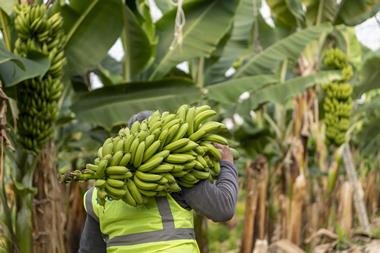
The thinktank said crops such as bananas, grapes, raspberries, strawberries and citrus fruits from Africa and South America could all be at risk as “El Niño turbocharges” climate change-driven extremes already impacting on growers, while tea supplies could also come under threat.
And while the UK was largely self sufficient in the production of staples such as wheat, the commodity’s status as a global trade commodity could also come under strain, with El Niño set to hit production in India, Pakistan, China and Australia.
“The UK does not produce enough wheat to significantly influence global commodity markets but would feel the impact of price rises on our own domestic wheat – whose prices are largely set by global prices,” the ECIU warned.
“Extremes around the world have driven up food prices, with a small number of climate change-hit items disproportionately fuelling inflation and deepening a cost-of-living crisis that is hitting the poorest hardest,” added the thinktank’s senior economist on food and climate Chris Jaccarini.
“This is not just the food we import, but also what we grow at home. After five heatwaves and widespread drought, British arable farmers are now facing the worst harvest on record,” he said.
“And yet, without action, these could be the good years. Unless we rapidly cut emissions and strengthen resilience, climate change impact will continue to worsen, with El Niño turbocharging the trend every few years.”







No comments yet