




The UK and South Korea have finalised a new free trade agreement the government says will boost exports, support thousands of UK jobs and bring billions of pounds into the economy.
The deal supersedes a temporary agreement rolled over after the UK left the EU in 2020, which was due to expire in January 2026. It will protect £2bn-worth of UK exports to the country that would have been eligible for tariffs from next month, with 98% of UK trade due to continue to be tariff-free, under the same terms the EU has with the country.
The deal is the fourth to be sealed by Keir Starmer’s government this year, following agreements with the US, India and the EU – though all three are subject to ongoing negotiations over finer details.
It would also legitimise the use of e-contracts and other digital technology, “making it quicker, cheaper and easier for UK firms to sell to Korea, cementing the UK-South Korea trade partnership as one of the most advanced in the world”, the Department for Business & Trade said.
The FTA additionally includes “dedicated provisions to promote smooth customs procedures”, the department stressed. This included greater clarity of export and import licensing requirements, heightened transparency when conducting import checks at the border and more predictable clearance processes for the release of goods – with clearance within 48 hours. This would “support smoother cross-border operations and reduce risks to perishable products”.
Korea’s import market is expected to grow by 26% by 2035. The UK’s trade with the country jumped by 32% to a value of £15.8bn between 2014 and 2024, with more than 1.5 million people employed by UK firms exporting to Korea.
Alongside a projected £400m annual boost for services firms, food and drink businesses including Guinness owner Diageo would benefit from the new agreement, DBT added.
Read more: £10m worth of UK meat seized at French border since summer as AIMS slams FSA inspections
Speaking after the agreement was signed yesterday by trade minister Chris Bryant and South Korean counterpart Kim Jung-kwan, Diageo’s interim CEO Nik Jhangiani said the trade deal would “support export growth for Guinness, canned in Runcorn, and help satisfy the growing demand from South Korean consumers for the world’s number one stout”.
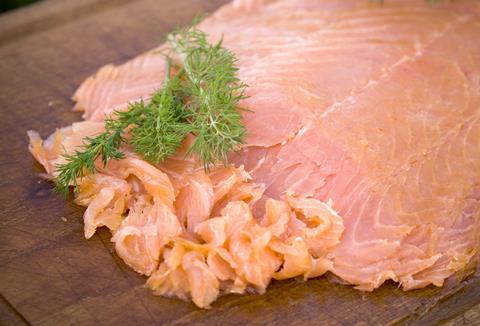
Scottish salmon was also singled out by the government as a beneficiary, with the deal increasing support in accessing the market and “providing the opportunity for our exporters to deliver fish in pristine condition, with confidence, to consumers in South Korea”, said Tavish Scott, CEO of Salmon Scotland.
“South Korea represents an important market within Asia where Scottish salmon has seen significant growth in recent years,” he added.
Scottish salmon exports to South Korea rose more than tenfold from £214,000 in 2015 to £2.25m in 2019, before trade was hit by the global pandemic. With export levels in 2024 of £366,000, the new trade deal would “help Scottish salmon farmers capitalise on the recent boom in the Asian market”, the trade body said, citing a 60% uplift in Chinese exports and a doubling to Taiwan.
Salmon Scotland’s comments were also echoed by Wine GB, which said the deal “marks an important step in deepening our trade ties with one of Asia’s most dynamic markets”. The inclusion of “dedicated provisions to promote smooth customs procedures will help remove barriers and create a more efficient pathway for our wines to reach Korean consumers”, said the trade body’s CEO Nicola Bates, helping give a “timely boost” to the UK wine sector’s long-term growth and diversification efforts.
“Korean culture has taken off in the UK, with millions of Brits already binge watching great Korean TV like Squid Game and streaming K-pop artists like Blackpink – but this trade deal will take our relationship to the next level, with hundreds of millions of pounds and vast opportunities unlocked for businesses,” said Chris Bryant.
“This is a huge win for British business and working people,” added Starmer.
“From food to TV, music and more, Korean culture is already influential here in the UK. This deal making trade even easier between us will help boost the economy – supporting jobs and growth which will be felt all over the country.”



No comments yet