

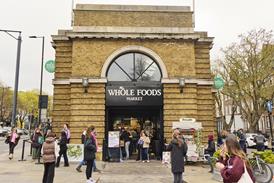





The government’s pledge to make growth its number one priority has been blown off course by unclear leadership, competing priorities and lack of funding.
That’s according to a new report by a House of Lords committee, which warns that moves to speed up regulation and make the UK a more attractive prospect for investment have been severely hampered, with the food industry one of those in the firing line.
The report by the Industry and Regulators Committee, called Time To Act, warns that regulators such as the Food Standards Agency (FSA) have been faced with competing priorities which have pulled them away from the aim of prioritising growth.
In her evidence to the inquiry, FSA CEO Katie Pettifer said the massive workload presented by alignment with EU SPS border checks had been an example of the huge complexity and resource issues facing regulators.
She added that whilst the plans could reduce friction at the border and “add £5bn a year to the economy in the long term”, the alignment could remove the ability of the FSA to develop its own processes for approvals.
“If we realign with the EU, unless exceptions are agreed… we will no longer be making these decisions; it will be the EU doing the authorisation again.”
The FSA said “inflationary pressures” as well as “significant new areas of work” such as the SPS agreement had “severely limited” its launch of new initiatives in support of economic growth or innovation.
The FDF told the committee the £37bn food sector faced huge duplication from different regulators, which was causing “confusion” and delays in the investment needed to drive the sector forward.
“Food businesses face conflicting or inconsistent requirements due to different agencies and regulators interpreting or applying policy differently,” it said.
It raised the example of UK packaging processes, which it described as a barrier to businesses who faced a “slow and time-consuming process”.
The cross-party committee report calls on the government to give clearer guidance to regulators on trade-offs between supporting economic growth and their other responsibilities.
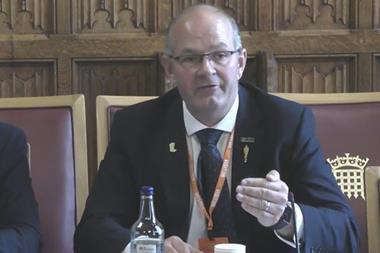
Chair of the committee Baroness Hayter of Kentish Town said: “The government says economic growth is its number one aim and wants regulators to help facilitate this. Our inquiry found that, for this to happen, government itself must take difficult decisions on how regulators should balance economic growth with the protections that citizens and the environment rely on, and the levels of risk to which the public should be exposed.
“Regulators must play their part by performing their functions more effectively, providing the speed and certainty businesses need to make investments, and the flexibility to respond to innovation.
“If growth is the government’s priority, it must provide clarity to regulators about its expectation and the political coverage for them to be less risk-averse. The time to act is now.”









No comments yet