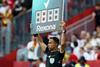
rexona logo world cup

Rexona (known as Sure in the UK) places its logo on the armpits of referee shirts at the World Cup

Unilever shares rallied this week as first-half results blew analyst expectations out the water and proved CEO Fernando Fernandez’s recovery plan was starting to pay off.

The stock led the FTSE 100 on Tuesday and raced 8% higher to claw back all the value lost in the aftermath of the $66bn deal to sell off its food business to McCormick, which has so far proved unpopular with investors. But shares are now back at levels not seen since early March and are up 3.4% for the year so far.

Unilever revealed its best quarter of volume growth in more than a decade in the three months to the end of June as lower prices and official sponsorship of the World Cup helped underlying sales grow by 5.8% to €13bn in Q2. Volumes soared by 5.8% on flat prices, beating expectations from the City by 300 basis points.

Unilever promoted dozens of personal care brands during the World Cup with the logo of Rexona (Sure in the UK) on substitution boards and on the shirts of referees, and Axe (Lynx in the UK) and Dove on prominent hoardings in all the stadiums.

Personal care volumes rose 5.9% in the second quarter, doing particularly well in football crazy Brazil and Argentina.

Volumes in home care and beauty & wellbeing did even better, up 9.1% and 8.1% respectively, while food proved to be the weak spot, with sales growth of just 0.2% and a 0.1% dip in volumes.

It underscored the focus of Fernandez, who took charge of the group last year, on the three higher growth areas and the decision to offload food.

Warren Ackerman of Barclays called the Q2 performance “very strong” and the volumes beat “truly impressive and broad based”. He added the results showed exactly what a Unilever without food would look like: “a best-in-class HPC 4-6% organic sales growth compounder with a high share of volumes.”

Alex Pugh, analyst at investment platform Freetrade, said the first-half result gave Fernandez something to shout about. “The megacorp’s growth is finally being driven by people buying more products, not just higher sticker prices. That is a much better growth story than the price-led inflation years, especially when shoppers are still under pressure.

“Unilever is becoming leaner and more focused, and the core business is showing decent momentum. The conglomerate still has work to do, but there’s a clear direction of travel. That is exactly the sort of progress investors wanted to see.”

Morningstar equity analyst Diana Radu added: “Unilever’s results provide further evidence that its turnaround strategy is working.

“Strong volume growth, market share gains and an upgraded outlook suggest that increased investment behind its brands is translating into stronger consumer demand. While higher input costs are expected to drive a greater contribution from pricing in the second half, the quarter reinforces confidence in Unilever’s ability to deliver consistent volume growth over the medium term and demonstrates tangible progress in strengthening its competitive position across key markets.”