


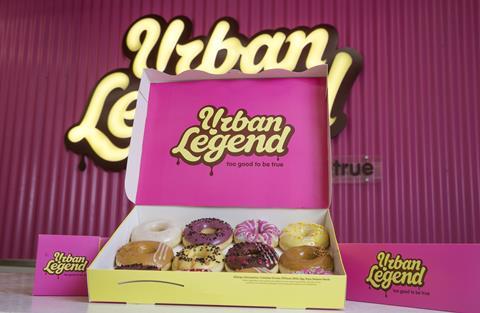
Healthier bakery brand Urban Legend is days away from collapse, having burned through tens of millions of pounds in investor cash and racked up double-digit losses, with more than 40 jobs at risk of redundancy, The Grocer can reveal.
Administrators at recovery firm Leonard Curtis have been lined up for the business – registered at Companies House as Believe in Science Ltd – with a marketing process to identify potential buyers now concluded.
It is understood a deal has been agreed by an unnamed buyer for the IP and patented technology behind the company’s scientifically engineered non-HFSS doughnuts.
A pre-pack deal and administration is expected to happen within the next week or two.
The fmcg trading side of Urban Legend looks set to cease trading. The doughnuts are no longer available in Tesco and Sainsbury’s supermarkets.
Urban Legend hired insolvency experts in the aftermath of a recent funding round failure as it sought to raise cash to keep the business running, according to a City source.
Founder Anthony Fletcher confirmed the news to The Grocer. He said: “Following the late collapse of a recent fundraising round, we have been working with an administrator to market the business.
“There have been multiple offers for the IP, and the business will shortly enter administration with the expectation that this will be sold.”
Fletcher, the former CEO of Graze before the snacking brand was sold to Unilever in 2019, launched Urban Legend in 2021.
The business raised more than £13m across a number of funding rounds from a mix of venture capital firms, health charities and angel investors, including Samworth Brothers’ VC arm Perfect Redd, which took a minority stake in early 2024 as Urban Legend eyed national expansion.
Urban Legend brought in more cash in October last year as SnackFutures Ventures, the venture capital investor arm of Cadbury owner Mondelez International, came on board in return for a minority stake.
Other investors included the Good Food Fund, JamJar Investments, Eka Ventures, as well as footballer Harry Kane.
However, the capital-intensive nature of the business led to ongoing large losses, with £4.7m registered in the most recent unaudited accounts for the year ended 31 July 2024.
It took total losses to £11.5m since launch, not including any further losses incurred in FY25 and the early parts of FY26.
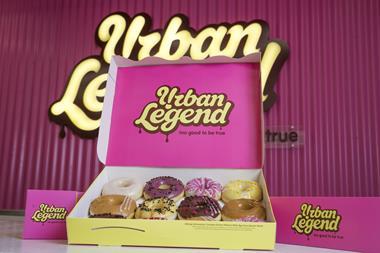
Urban Legend’s healthier treats came in at fewer than 200 calories per doughnut and boasted 50% less sugar and fat than traditional rival products. The doughnuts were manufactured at a custom-built bakery in London using a patented process involving steaming and air-frying, with a micro layer of fat applied to the outside of the product.
Initially, the brand debuted its offering from bricks-and-mortar stores in Brighton and Clapham Junction railway stations and on Deliveroo and Uber Eats, before rolling into supermarkets in London.
It has since expanded distribution across the country and was available in standalone bakery cabinets in around 200 Tesco and Sainsbury’s stores in the UK. The brand was also sold on Ocado and in Moto service stations.
Fletcher launched the brand with a mission to change the nation’s eating habits and offer healthier versions of indulgent treats.
He said, at the time, that the partnership with Mondelez would help it accelerate on a journey towards “radical reformulation” in fresh bakery, with ambitions to create non-HFSS products in other product areas.
The Grocer has reached out to SnackFutures, Perfect Redd and Leonard Curtis for comment.

No comments yet