

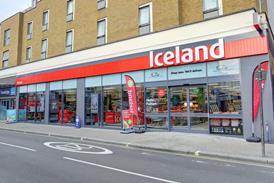




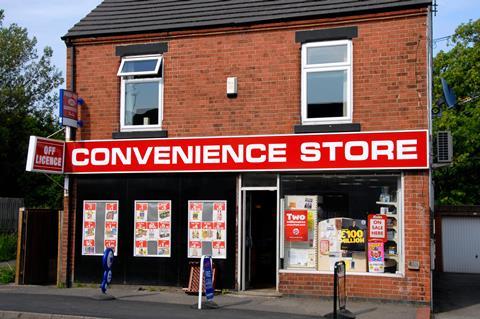
Cost of living pressures and the disposable vape ban limited growth for the convenience channel last year, with sales up a modest 1.6% to £48.2bn, new data shows.
Consumers turned to the discounters as they sought ways to save, while the disposable vape ban also stalled growth for convenience, according to the Lumina Intelligence UK Convenience & Wholesale Market Report, published this week.
Co-operatives, forecourts and unaffiliated independents all saw declining sales, with the latter hit hardest by the disposable vape ban, given their strong reliance on tobacco and vape sales. The segment dropped 2% to £7.6bn, while outlets decreased by 1.8% to 15,420.
Forecourts dropped 1.2% in value to £4.6bn, while co-operatives fell 2.3% to £6.1bn as the cyberattack on the Co-op Group severely disrupted operations, according to the report.
Convenience multiples such as Tesco Express and Sainsbury’s Local grew by 6% to £11.1bn, while symbol group sales rose by 2.8% to £18.7bn.
Store numbers among convenience multiples also continued to grow, by 3% to 6,281, through Morrisons Daily, Asda Express and Tesco Express. The segment’s greater ability to offer lower prices and less reliance on tobacco and vapes helped boost sales.
Symbol groups also made strong gains in outlet numbers, up 3.9% to 18,793. But they faced the same sales challenges as indies, being hit hard by the disposable vape ban and consumers’ looking to spend less where possible.
Lumina points to investment in store refits, range reviews in food to go, fresh, chilled, and own label, and technology to boost operational efficiency as key growth drivers for 2026.
However, it forecasts that shop theft, the disposable vape ban, and rising operating costs will continue to impact convenience in 2026.
“Market conditions remain tough for convenience retailers – growth has become increasingly hard won,” said Lumina Intelligence head of insight Andy Crossan.
“We expect the sector to reach £49.1bn in 2026, up 1.8%, with much of that growth being driven by estate expansion rather than stronger underlying demand. The reality is that inflation will be a key driver of that spend growth.
“Multiples and symbol groups continue to outperform through investment in new stores, refurbishments, value-led propositions and food-to-go, while independents face a tougher environment due to ongoing cost pressures and greater reliance on categories affected by regulation, particularly vaping.
“Looking ahead, the key growth opportunities lie in food-to-go, meal deals and vending, but retailers will need to balance these against rising operating costs, legislative change – such as the deposit return scheme – and continued consumer caution.”





No comments yet