






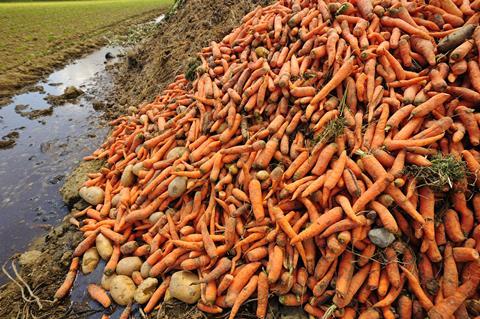
Wrap has called on world leaders to prioritise scaling up action on food waste, as a solution to tackling climate change and the cost of living crisis.
Speaking at the COP31 conference which started today in Turkey, Wrap CEO Catherine David said tackling the issue was one of the most immediate, cost-effective and impactful ways to cut greenhouse gas emissions, strengthen food security and deliver economic benefits.
Every year, more than one billion tonnes of food is lost or wasted globally, contributing to around 8%-10% of global greenhouse gas emissions, according to Wrap.
Wrap is calling on COP to formally recognise the urgency and opportunity of advancing food loss and waste reductions, and to turn existing global and national commitments on food loss and waste into concrete policies. It also wants food loss and waste reduction to be included in all relevant COP31 negotiated outcomes.
The Wrap-convened Food Pact Network connects more than 920 organisations across 10 national and regional food pacts, bringing together businesses, governments and partners via locally led and globally connected action. The Food Pact Network has already prevented 220,000 tonnes of food from going to waste, stopping 680,000 tonnes CO2e from entering the atmosphere.
The network has redistributed more than 2.7 million tonnes of surplus food via charitable and commercial outlets – the equivalent of seven billion meals – ensuring surplus food benefits local communities.
“At a time when businesses and households are facing rising costs, and governments are searching for solutions to climate and economic challenges, we have a huge opportunity hiding in plain sight: preventing food from becoming waste,” said David.
“By acting to prevent food waste, we can put money back into people’s pockets and reduce the pressure on our precious land and natural resources. We know what works, and many countries around the world are already acting, but we need to scale this.”









No comments yet