





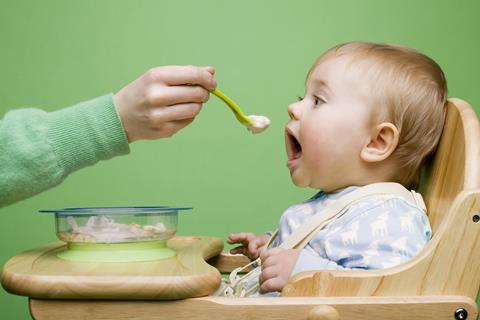
Babyfood brands found themselves in hot water in April – when a BBC Panorama investigation concluded several had made misleading health claims about pouched lines. Some were found to provide barely any iron or vitamin C while containing more sugar than infants should eat in a day.
“The wet babyfood category declined by around 15% following the BBC Panorama report,” says Cat Gazzoli, founder of Piccolo.
Panorama “misrepresented” or “overlooked” key facts about two Piccolo lines featured in the programme, she claims. “It contributed to a noticeable drop in shopper trust in pouches, prompting retailers to revisit their health standards and raise expectations of the brands they stock.”
The fallout can be seen in NIQ’s numbers. The overall babyfood category has seen value sales fall 3.5% on units down 4.7% – and the brands named in the BBC investigation have suffered far steeper declines.
Piccolo, for example, has fallen 14.3% in value and 19.4% in units. Market leader Ella’s Kitchen – whose Bananas & Apples pouch were found to contain more sugar (19.6g) than any other analysed by Panorama – has suffered the greatest decline. Its value is down 9.3% while units have plunged 10.3%.
“Recent headlines may have left some parents feeling worried,” said Ella’s Kitchen in a lengthy statement after the Panorama programme aired. “So, we want to be really clear: our food is – and always has been – safe for little ones. We go above and beyond all legal safety and nutritional standards.”
But Panorama hasn’t been the only drag on category sales. After all, babyfood volumes have recorded declines for the past few years. This could be partly down to the government’s promotion of NHS advice to not introduce babies to solid food until they’re at least six months old. The efforts began in 2022, after research found 40% of first-time parents began weaning at under five months.
Despite that, some Ella’s Kitchen pouches are labelled as suitable from just four months. However, Ella’s announced in March that it would begin phasing out those lines in January 2026. It hopes to have replaced them with pouches labelled as suitable for babies aged six months-plus by the end of next year.
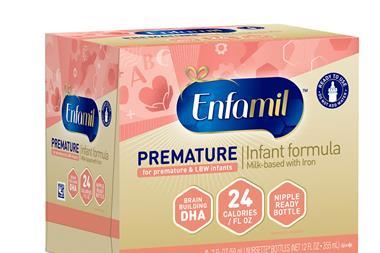
There are more fundamental factors affecting the wider infant care market, too. “Demographic trends, like declining UK birth rates and shifts in feeding practices, are naturally having an impact,” says George Bates, head of category & commercial planning for baby feeding at Danone. He points to the infant milk formula category’s 3.2% value and 6.4% unit declines.
High prices for infant milk formula – the marketing of which is tightly regulated – is another likely factor, says Jason Wootton, NIQ senior insight analyst. “Parents are responding to financial pressures by either trading down to more affordable brands or reducing frequency of purchases.”
More regulation could be on the cards. In February, the Competition & Markets Authority called for greater transparency, new labelling requirements and tighter restrictions on infant milk formula marketing. That was in a report that found formula prices had risen more than 25% in the two years to April 2023. It concluded that parents who feed their babies formula could be as much as £500 a year out of pocket due to weak competition in the market.
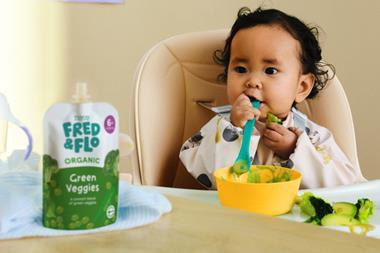
Then, in August, the government issued new guidelines for babyfood. They called on suppliers to voluntarily reduce sugar and salt content, add clearer labelling, cut reliance on fruit purées, and provide guidance for parents on feeding with a spoon rather than straight from the pouch.
“Although these guidelines are voluntary, they will almost certainly become mandatory in some form in future,” predicts Dean Brown, CEO of Little Dish. The brand has seen its healthier chilled ready meals for kids surge 48.6% in value and 48.4% in units – partly due to distribution gains in Sainsbury’s.
“Whilst these guidelines aren’t perfect, we shouldn’t let perfection be the enemy of the good. It will be interesting to see how companies respond,” Brown adds.
“It seems crazy to us that some are still adding sugar to complete meals for kids. Will they make their meals better by taking sugar and salt out and ensuring all the goodness isn’t nuked out of them, change how they’re described or just discontinue them entirely?”
Rebuilding shopper trust
Next year, compliant innovation will be critical to the category, suggests Gazzoli. “In the aftermath of the Panorama report, retailers urgently need health-first brands that can help rebuild shopper trust,” she says. She’s optimistic Piccolo can reverse this year’s decline with new products that “exceed the guidelines”.
“Retailer responses have varied but there have been no major structural changes to ranges so far,” she adds. “Despite this, several retailers have already signalled a willingness to go beyond the guidelines — exploring sugar caps, expanding vegetable-led ranges and reducing potato or grain-based snacks in their babyfood aisles to help rebuild parents’ trust.”
And also rebuild sales, presumably.
Top Launch 2025
Superstars | Little Dish
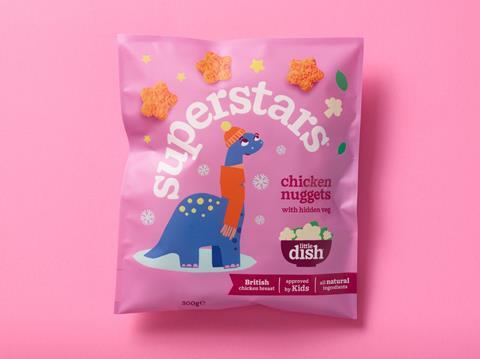
Big things are happening at Little Dish. The kiddies’ chilled ready meal brand made its frozen food debut in April with the launch of Superstars, star-shaped chicken nuggets made with Red Tractor-certified British chicken breast wrapped in a gluten-free crumb. Each nugget is laced with “hidden” cauliflower to contribute to little ones’ 5 a day (a struggle, as parents will attest). They also contain half the salt of regular nuggets. Having first rolled into Ocado, they’ve since won a national listing at Tesco.
Topics
How the psychology of price hikes has played out on shelves

The unwelcome return of inflation has prompted a wide range of tactics. How have shoppers responded and what should brands do next?
- 1
- 2
- 3
- 4
 Currently
reading
Currently
reading
Baby & infant products 2025: Babyfood hit by problems for pouches
- 6
- 7
- 8
- 9
- 10
- 11
- 12
- 13
- 14
- 15
- 16
- 17
- 18
- 19
- 20
- 21
- 22
- 23
- 24
- 25
- 26
- 27
- 28
- 29
- 30
- 31
- 32
- 33
- 34
- 35
- 36
- 37
- 38
- 39
- 40
- 41
- 42
- 43
- 44
- 45
- 46







No comments yet