





Sugar – or the removal of it – is set to be a key focus for makers of dairy drinks. In November, they were made subject to the Soft Drinks Industry Levy – the so-called sugar tax.
For now, however, it’s gut health, protein and caffeine that have been front of suppliers’ minds. The three trends have been instrumental in massive gains for flavoured dairy drinks and drinking yoghurt. The two sectors have added a combined £141.7m. That dwarfs the £50.2m growth registered by the significantly larger milk & alt-milk market.
The biggest winner in flavoured milk is the Starbucks range by Arla Foods. It’s cemented its position as category leader with an 8.5% increase in value. Some of that growth can be attributed to inflation: the brand’s average price per litre is up 4.3%. However, volumes are also up, by 4%, helped by what Arla describes as “front-of-store meal deal momentum”.
That’s the sort of promotional activity that has played a “key role” in flavoured milks’ performance, enabling consumers “to access branded dairy drinks at competitive prices”, says senior NIQ analyst Ishita Gupta.
Starbucks’ drinks have also benefited from the growth of its Protein range, says Laura Scott, Arla head of milk-based beverages. Launched in July 2024, the three-strong lineup has “resonated with health-conscious, on-the-go shoppers, reinforcing RTD relevance in functional occasions”, she adds..
The coffee/protein combo has also proven fruitful for Emmi Caffè Latte. Its High Protein variant is “performing exceptionally well”, says brand manager Georgia Lightbody.
This year saw Emmi launch “clean label” Caffè Latte Zero, which “aligns strongly with consumer demand for healthier, high-quality options”, she adds. Those healthier products have helped the brand grow value 9.8% on volumes up 9.1%.
Plenty of other brands have put in strong performances, too. The gut health craze has been fruitful for Biotiful Gut Health in the drinking yoghurt market. Value sales for the brand, which was acquired by Müller in April in a £115m deal, are up 22.2%.
Yop is another gut-friendly yoghurt drink to have enjoyed strong growth. Its value’s grown 22.6% on a volume surge of 27.1%. The brand is “being consumed by more people more often” and usage occasions have more than doubled over the past two years, says Antoine Hours, general manager at owner Yoplait.
It’s not all been about health this year, though. Taste and indulgence have also played a part in driving dairy drink sales – and plenty of traditional milkshake brands have cashed in.
Take Shaken Udder, which was snapped up by Spanish drinks business Idilia in November. It’s seen value growth of 31.2% – driven by “increased distribution and rate of sale of core lines, reflecting retailers’ backing of our category vision for growth”, according to CEO Rob Reames.
For Yazoo, flavoured milk’s second-biggest brand, its 8.5% value gain and 9% rise in volumes were driven by the popularity of its classic chocolate and Strawberry shakes.
However, sales could be set to slow. Owner FrieslandCampina warns it’s “faced sustained cost pressures” compelling the supplier to “implement a necessary selling price increase” in October.
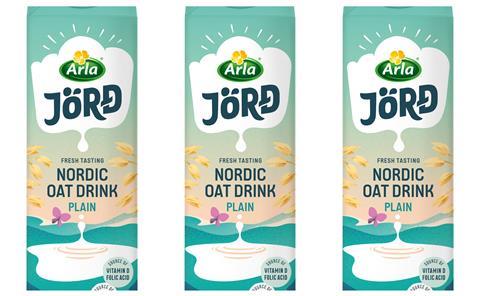
Milk volumes fall as prices rise
Prices have also risen across the milk & alt-milk market – by an average of 3.2% per litre. That explains the overall 1.2% value rise; volumes have fallen 1.9%.
The market began to see further inflation during the autumn, outside NIQ’s data period. It was especially apparent in own-label milk, driven by farmgate price volatility.
The impact of higher prices can also be seen in brands, however. Arla’s market leader Cravendale has seen volumes fall 9% on an 8.3% increase in average price per litre.
“Price sensitivity has driven a clear shift in shopper behaviour this year,” admits Arla brand director Stuart Ibberson. “This has accelerated the trade-down into own label and reduced trip frequency and basket size.”
Alpro, the sector’s second-largest brand, has also seen a dip in value sales – by 1.7% on volumes down 3.5%. That’s despite the strong performance of its Barista range, which is “significantly outpacing the wider barista segment”, says Tom Kerr, head of category management at Alpro owner Danone UK&I.
The past year “has really been about stabilisation and setting ourselves up for the next wave of growth while we continue to invest in the category”, Kerr adds.
He points to Alpro’s “multimillion-pound commitment to source 100% British oats” across its standard oat drink range.
There have been spots of brand growth in milk & alt-milk, though. By far the biggest winner is Müller. It’s added £26.6m and shifted 28 million extra litres.
That performance is “testament to our strengthened presence in wholesale and convenience stores”, says Gemma Hancock, Müller Milk & Ingredients commercial director.
And that’s without gut health, protein or caffeine claims.
Top Launch 2025
Unhomogenised Whole Milk | Tom Parker
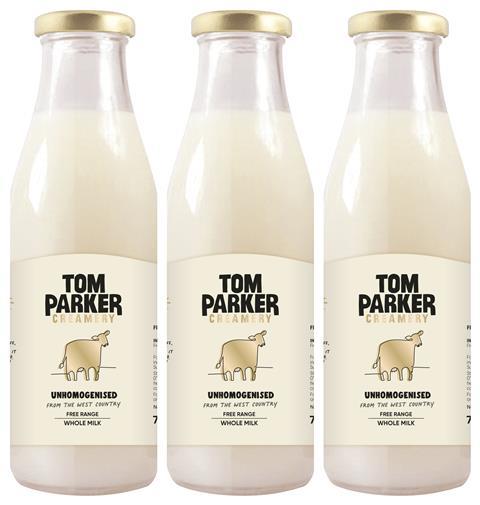
This “nostalgic nod” to old-school milk differs from standard milk due to its cream top, says Tom Parker Creamery. Unhomogenised Free Range Whole Milk (rsp: £2.15/750ml) is how “milk used to be”, by not having its fat content distributed evenly. The result is a “cream plug” that rises to the top of the glass bottle and varies in thickness depending on the time of year. Unveiled in September, Tom Parker describes the product as a response to calls for “minimally processed” dairy.
How the psychology of price hikes has played out on shelves

The unwelcome return of inflation has prompted a wide range of tactics. How have shoppers responded and what should brands do next?
- 1
- 2
- 3
- 4
- 5
- 6
- 7
- 8
- 9
- 10
- 11
- 12
- 13
- 14
- 15
- 16
 Currently
reading
Currently
reading
Dairy - drinks 2025: Health-savvy Brits drive huge gains
- 18
- 19
- 20
- 21
- 22
- 23
- 24
- 25
- 26
- 27
- 28
- 29
- 30
- 31
- 32
- 33
- 34
- 35
- 36
- 37
- 38
- 39
- 40
- 41
- 42
- 43
- 44
- 45
- 46





No comments yet