





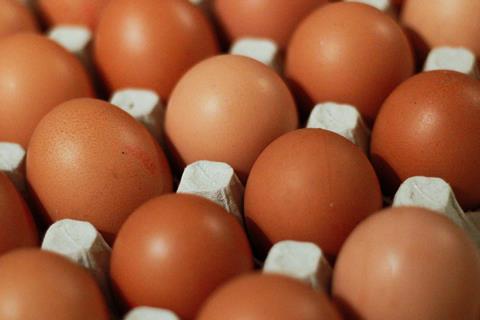
The era of cheap eggs looks to be over. As the average price per pack surged 8.4%, the category was singled out this year as a key driver of food price inflation.
Higher prices were due to challenges such as greater demand and increased labour costs, explained British Retail Consortium CEO Helen Dickinson in August.
But costlier eggs look to be having a deleterious effect on the category’s sales. Total volumes are up 2.2% – markedly slower than last year, when we reported a 10.1% rise. At 10.8%, value growth has slowed, too. In 2024, it was 15.3%.
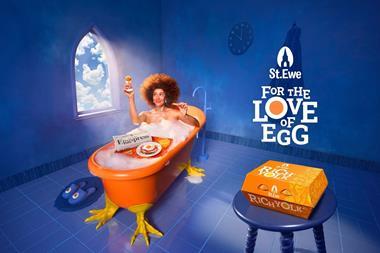
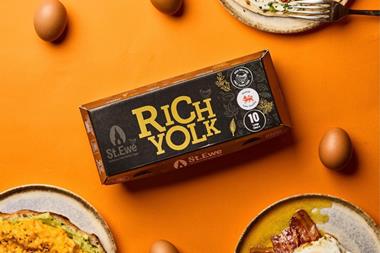
Still, a £199.8m gain is nothing to be sneezed at – and plenty of brands have cashed in. Cornwall’s St Ewe is by far the biggest success story. Its £25.3m gain is the market’s biggest of the year. It comes on unit growth of 59.1%.
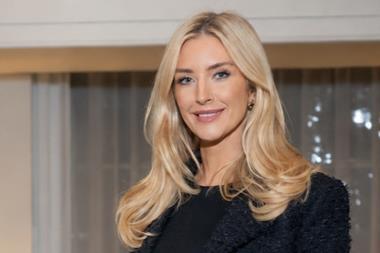
After establishing itself as a major player at the height of the egg supply crisis in 2022, St Ewe landed a national Tesco listing in the 2023/24 financial year, became a Sainsbury’s tier one supplier in 2024/25, and has seen sales in Morrisons, Ocado, and M&S grow in 2025, says CEO & founder Rebecca Tonks.
“We have been super lucky with timing, opportunities, strong branding and a strong story,” she adds.
St Ewe is not alone in recording stellar numbers. Eight of eggs’ top 10 brands are in value and volume growth. Purely Organic and Freshlay Golden Yolks, for instance, have seen double-digit value gains on volumes up 7.2% and 10.2% respectively. This “demonstrates the growing shopper demand for high welfare and premium quality eggs”, says Jerome Saulet, commercial director at Noble Foods, owner of the two brands.
Interestingly, Noble’s cheaper Big & Fresh brand has suffered a 11.4% fall in volumes – which Saulet says “reflects some shoppers trading up to more premium tiers”. But he stresses it also “delivers the highest rate of sale of any brand in the market” and “continues to play an important role, offering an accessible, great value source of healthy protein to consumers”.
While reshaping the category’s sales, inflation is also impacting grocery’s commitment to those high-welfare eggs Saulet points to.
The majority of supermarkets have phased out caged eggs. However, Farmfoods recently u-turned on its pledge to do so, while Iceland delayed its switch until 2027. Both cited inflationary challenges.
If inflation continues to rise, retailers may be forced to look to the import market – as they did in 2022. And that could be cause for concern. In November, the NFU warned that continued tariff-free access for Ukrainian eggs could have “damaging consequences for domestic producers”.
Top Launch 2025
Better Eggs | Fairburn’s Eggs
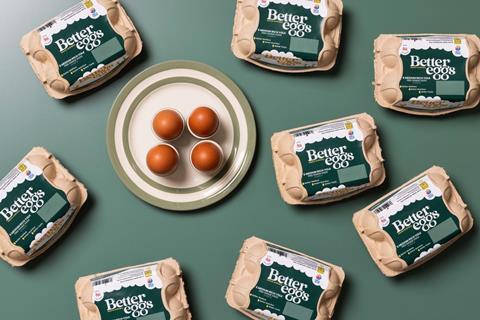
Pitched as a competitor to the likes of Noble Foods’ Happy Egg Co, Fairburn’s Better Eggs rolled into in Asda in October. They’re sourced from RSPCA Assured hens that live “the better way”, say Fairburn’s. The free-range birds “explore fields, roost in spacious sheds and eat the best grain that we’ve milled ourselves – part of “a fully traceable food chain that reduces the reliance on imported feed”. The eggs boast a “rich, golden yolk – ideal for versatile dishes, poaching, baking or frying”.
Topics
How the psychology of price hikes has played out on shelves

The unwelcome return of inflation has prompted a wide range of tactics. How have shoppers responded and what should brands do next?
- 1
- 2
- 3
- 4
- 5
- 6
- 7
- 8
- 9
- 10
- 11
- 12
- 13
- 14
- 15
- 16
- 17
- 18
 Currently
reading
Currently
reading
Eggs 2025: Growth slows but eggs still in good shape
- 20
- 21
- 22
- 23
- 24
- 25
- 26
- 27
- 28
- 29
- 30
- 31
- 32
- 33
- 34
- 35
- 36
- 37
- 38
- 39
- 40
- 41
- 42
- 43
- 44
- 45
- 46





No comments yet