




Germs, stains and bad smells are anathemas to homecare brands. And in many cases, so are price rises – even in the current inflationary environment.
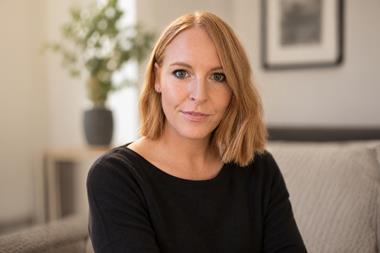
“Inflation has been a challenge for everyone, but we made a deliberate decision not to increase our prices,” says Laura Harnett, founder of plastic-free household cleaning brand Seep. “We’re already a premium product, and we want to keep Seep accessible.”
To do so, the brand “worked hard behind the scenes to strip out costs elsewhere”, she adds. “We’ve streamlined operations, looked for efficiencies in packaging, and offset inflationary pressures on materials through smarter sourcing.”
It’s a similar story at eco brand Bio-D. “Navigating inflationary pressures while maintaining product quality and affordability has been a key challenge throughout 2025. A particular difficulty has been the rising costs of raw materials,” says MD Lloyd Atkin.
The brand responded by “optimising our supply chain and increasing our use of post-consumer recycled packaging materials, while maintaining price stability where possible and focusing on value-driven innovation”, he adds.
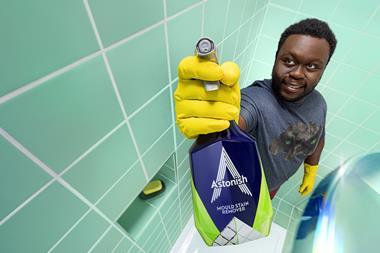
As well as rising operational and input costs, the category now also faces the financial pressure of extended producer responsibility, notes Howard Moss, CEO of Astonish.
The scheme, which kicked off in October, requires suppliers to pay for the waste management, recycling and disposal of all packaging they import or produce. “We do expect to see an increase in costs and an extra layer of red tape due to data processing and needing to be agile in navigating retailer and supplier demand,” Moss says.
So far, however, Astonish has declined to make shoppers pay the price. “With many competitors turning to shrinkflation to preserve margins, we’ve stood firm on maintaining pack sizes and value,” Moss adds. “This certainly places pressure on our margins, but it’s a trade-off we’re committed to making in honour of customer attraction and retention.
Despite these challenges for homecare in the past 12 months, there have been plenty of highlights, too. The category is worth an extra £109.8m across the eight sectors in this report – five of which are in volume growth. Of the remaining three, none have lost more than 0.7% of volumes.
The year’s positives go beyond overall retail performance too. At Seep, Harnett points to “two major brand moments”. The first was her January appearance on Dragons’ Den, “which gave us national visibility overnight with over five million viewers”, she says. “The second moment was winning TV airtime in the autumn through Channel 4’s B Corp competition and Sky’s Local Heroes programme.”
At fellow plastic-free challenger Smol, “moving our entire warehouse to a bigger site with zero disruption to the customer experience was a huge success and major milestone”, says CMO Hilary Strong.
She also highlights the brand’s Suds in Schools scheme – which “has now reached over 130 schools around the UK, offering children and their families free-to-use laundry facilities. It’s an initiative that addresses hygiene poverty head-on.”
For other players, innovation has been cause for celebration. Take OceanSaver. In April, it launched Bio & Non-Bio Laundry Detergent Sheets. They were accompanied by Pearl – “our most advanced dishwasher tablet yet and the first eco-friendly dishwasher liquitab”, says CMO Adam Parker. “We also secured major new listings in Tesco Express and Waitrose.”
As such, OceanSaver’s value sales in auto dishwash are up 161.6%, while it’s almost doubled its value in laundry detergent.
While smaller suppliers are focused on sustainability, bigger ones are tapping other trends. In early January, for instance, P&G kicked off a major push for Ariel The Big One laundry pods – which had rolled into stores at the end of December.
The oversized NPD was in response to the evolution of washing machines, says Ian Morley, P&G VP of sales. “Technology has allowed for a much bigger drum as a percentage of the machine, and that allows for a much bigger load. Typically, a washing machine would hold 6kg of laundry. But new machines are 9kg – even up to 10kg.”
And larger bundles of laundry demand more detergent – hence “a bigger pod designed to handle tougher loads”.
Innovation in laundry has also been front of mind at Unilever. In April, Surf followed in the footsteps of sister brand Persil by launching a range of detergent suitable for short cycles. The fragrance-focused Magnifi-Scent Wash is available in Floral Fusion, Sunshine Blossom and Aqua Bliss across 31-wash and 55-wash formats. The NPD, “together with Persil Wonder Wash, is driving value and volume growth of the total liquid & gels category and encouraging consumers to trade up”, says Unilever. Also in the spring, the supplier added Pure Heaven Scent, a laundry lineup comprising Comfort and Persil lines for people with sensitive skin.
Proving it’s not just price sensitivity that brands are acutely aware of.
Top Launch 2025
Cif Infinite Clean | Unilever
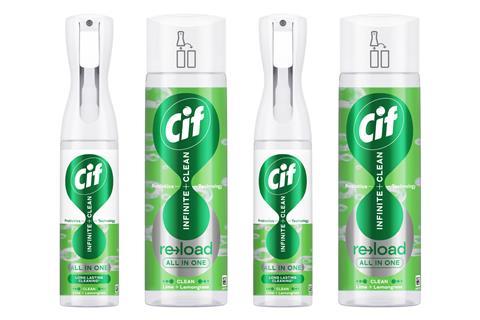
Probiotics are good for your gut – and for your home’s surfaces, says Unilever, which unveiled Cif Infinite Clean in April. It’s an all-in-one cleaning spray that contains probiotics, which remain inactive until they encounter dirty surfaces. Then they germinate and feed on the grime. Available in Lime & Lemongrass, Lavender & Eucalyptus and Sensitive Lotus & Mineral Salt, Cif Infinite Clean comes as a reloadable spray device and refill canister – both in 280ml and 590ml formats (rsps: from £3).
How the psychology of price hikes has played out on shelves

The unwelcome return of inflation has prompted a wide range of tactics. How have shoppers responded and what should brands do next?
- 1
- 2
- 3
- 4
- 5
- 6
- 7
- 8
- 9
- 10
- 11
- 12
- 13
- 14
- 15
- 16
- 17
- 18
- 19
- 20
- 21
- 22
- 23
- 24
- 25
 Currently
reading
Currently
reading
Household - cleaning 2025: Price rises a dirty word in homecare
- 27
- 28
- 29
- 30
- 31
- 32
- 33
- 34
- 35
- 36
- 37
- 38
- 39
- 40
- 41
- 42
- 43
- 44
- 45
- 46





No comments yet