



The £988m sell-off gives Lactalis ‘a leading place in UK dairy’ by adding the likes of Cathedral City and Country Life to Seriously and Président
Lactalis has pulled the trigger on a surprise dairy consolidation play in the UK, acquiring the former Dairy Crest business from Saputo for almost £1bn.
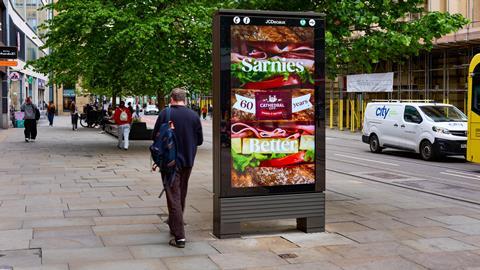
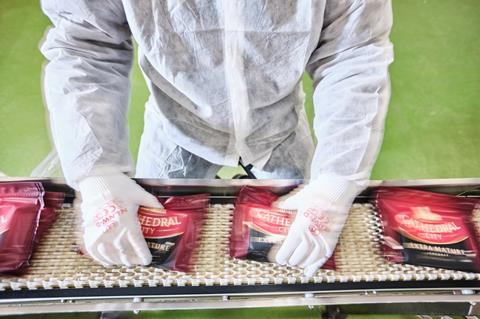
The French dairy multinational said the deal would make it the biggest cheddar cheese and butter & spreads supplier in the UK, as it brought leading brands such as Cathedral City and Country Life to a portfolio already holding Seriously and Président. It also adds 1,300 staff and five production sites across the UK.
Details of the deal
Canadian plc Saputo made its entry into the UK in 2019 with the £975m takeover of London-listed Dairy Crest Group, later changing the name of the company to Saputo Dairy UK. At the time the group, which is headquartered in Montreal, said the acquisition gave it an attractive platform for growth in the UK.
The sale to Lactalis for £988m represented a 14.2x EBITDA multiple, which was comparable to the 13.6x Saputo paid for the assets more than six years ago, according to analysts in Canada. And that is without factoring in all the cashflow thrown off by the division into the Saputo coffers.
Derek Lessard of investment bank TD Cowen called the valuation “reasonable” given the decline in profitability of the UK dairy division under Saputo.
Revenues at the UK business have grown from about £450m at the time of the deal to £670m in the year to 31 March 2025, but underlying profits have fallen from £90m to £47m amid rising costs and issues with its ingredients business.
“While Saputo has always operated a strong branded business in the UK, persistent inflation, weak consumer spending and other market challenges have impaired its profitability,” says Chris Li of Canadian brokerage firm Desjardins.
Why is Saputo selling?
Despite its stable of household brands, UK dairy is small fry for Saputo, with the division’s sales making up 7% of the group’s C$19bn (£10bn) revenue.
“The UK is Saputo’s smallest division and has fallen short of expectations,” Lessard adds.
The sell-off follows a recent divestment of 80% of its business in Argentina and an announced exit of a joint venture in Australia.
RBC analyst Irene Nattel says the sale is consistent with Saputo’s strategic focus on platforms where it competes from a position of strength. “Saputo appears to be systematically exiting multiple non-North American markets at highly compelling valuations.”
Li and Lessard reckon Saputo will redeploy the cash from the sale into organic growth and M&A in North America. “Demand for cottage cheese and high-protein ingredients remains strong and, in our view, structural,” Lessard says. “The company’s scale in US cheese also provides a secure whey stream and flexibility to shift production toward the highest-value applications.”
Nattel notes Saputo has repeatedly stated it is focused on products and markets where it can lead and win. “The divestiture of the UK division meaningfully enhances Saputo’s financial flexibility and balance sheet capacity,” she says.
What’s in it for Lactalis?
“Opportunities to buy dairy brands of this quality and scale don’t come along very often,” notes Trefor Griffith, founder of specialist food & drink corporate finance firm TG Advisory. “As well as strong brands such as Cathedral City, Lactalis is buying market position, operational capability and a leading place in UK dairy.”
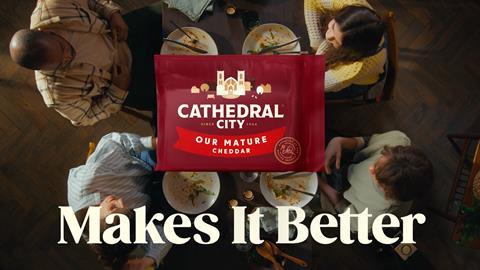
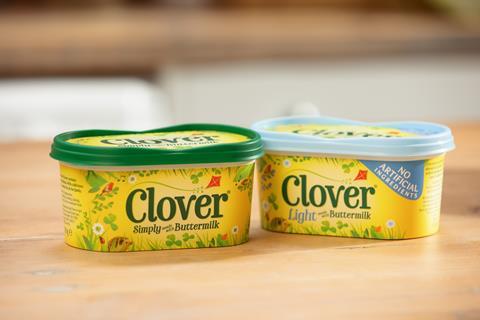
According to The Grocer’s Top Products Report, Cathedral City is the UK’s most popular cheese brand, with sales of £320.2m last year. Clover and Country Life, meanwhile, are both in the top 10 in butters & spreads, with £94m and £42.9m respectively (see table).
Lactalis is the largest dairy products group in the world and until now has been “under-represented in the UK”, says Becki Reay, head of UK corporate at Kite Consulting, who sees “many good reasons to expect this will be a positive”.
“Lactalis is making a meaningful and demonstrable commitment to the UK, which tells you where it thinks the growth opportunity is in their business,” she says, adding that it shows a “huge amount of confidence” in the sector.
What does it mean for the Saputo UK business?
KPMG senior partner Chris Stott thinks the Saputo UK business will get more love under Lactalis. “The scale of Saputo Dairy UK was small within the wider group and it would have been competing for investment globally,” Stott says. “Its greater weighting in the Lactalis group should mean it gets more investment support.
“The deal gives a pureplay dairy business a leading position in core categories in the UK, so they will feel empowered to get behind the brands.”
Chris Walkland, agricultural journalist and market analyst, says there is also the good news that Saputo Dairy UK’s Davidstow cheddar producing facility is likely to be secure. But it raises a question over Lactalis’ current facility in Stranraer if the business decides to “rationalise cheddar production into one site”.
Walkland says there is also a question over farmgate prices, as Lactalis is not known for paying “a top cheese price to farmers”. But this may change as it takes over Davidstow, as the south west is “the most competitive milk field”.
Beyond the UK, export opportunities are likely to improve thanks to Lactalis’ level of market access and experience in leveraging it, Reay says, adding that a focus in the announcement on export opportunities for Cathedral City is not “necessarily a coincidence”.
Any competition concerns?
The acquisition is expected to close by the end of the first quarter of 2027, subject to all the customary regulatory approvals.
Given Lactalis’ existing UK dairy presence, Nattel thinks the deal could attract CMA scrutiny, but does not view it as a material risk to the transaction.
One possible area for attention is cheddar. Britain produced 355,000 tonnes last year and once Lactalis has control over the Saputo cheddar site in Davidstow, it will manufacture approximately 85,000 tonnes across its core sites, or 23.9% of the national supply. But dairy experts agree a significant challenge is unlikely.
Griffith says that while the UK competition regulator is likely to take a close look at the merger, “the dairy market overall in the UK is very significant and there is an abundance of retailer own-label alternatives, which should provide adequate protection for retailers and consumers”.




No comments yet