



The Commercial Baby Food Review welcomes babyfood manufacturer engagement with the government’s voluntary babyfood guidelines, published last August. It is encouraging to see the industry taking steps to improve the nutritional quality of products marketed to young children, as shown by Piccolo’s new product launch.
However, we caution against mistaking partial adherence for meaningful progress, and this launch illustrates precisely why that distinction matters.
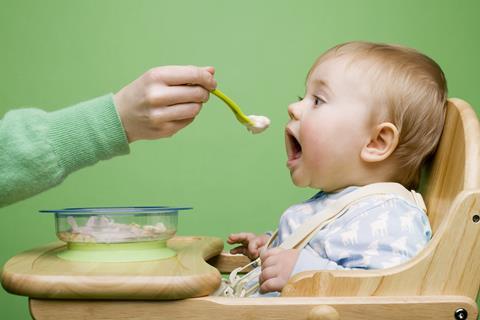
The UK baby and toddler food retail offer has been repeatedly shown to be substandard: dominated by products that are nutritionally inadequate, age-inappropriate, and marketed in ways that mislead parents. Commercial baby and toddler foods are store cupboard staples for UK families across all socioeconomic groups, particularly those on lower incomes, and high levels of use of these products are shaping children’s dietary habits toward sweet and highly processed foods, driving excess weight gain and tooth decay from infancy, and widening dietary inequalities.
The NHS is clear that healthy home-prepared foods are preferable to shop-bought baby and toddler foods, that shop-bought products should not be relied upon, and that young children do not need different meals to the rest of the family.
Raising the nutritional bar
The voluntary guidelines, while welcome, address only sugar and salt, leaving untouched the broader issues of nutritional composition, including inadequate protein levels, low energy density, and insufficient micronutrients.
On marketing, the guidelines state that industry should “restrict inappropriate on-pack marketing and promotional statements that make ‘implied health claims’ about health or nutritional benefits that are not based on scientific evidence”. Yet on this new range we see claims such as “nutritionist approved”, “fussy eater approved”, “good for growth”, and finally that “meals are a nutritional powerhouse” – this is not in the spirit of the voluntary guidance. Finally, Piccolo’s yoghurt pouches carry no clear instructions on not to suck from the pouch.
We welcome new product development and encourage brands to raise their ambitions for babies and young children. But the bar must be higher, not only on nutrition composition, but on honest, responsible marketing that supports rather than undermines parents’ ability to make genuinely informed choices in line with public health recommendations.
To support better health from the start of life, commercial babyfood portfolios need to evolve towards and beyond the UK’s voluntary babyfood guidelines in line with the more comprehensive and stringent standards set by the World Health Organization.
This is precisely why the Commercial Baby Food Review was established: to build the evidence base, monitor change, and advocate for the regulatory reform needed to clean up the baby and toddler food aisle for good.
Dr Vicky Sibson, First Steps Nutrition Trust, Ali Morpeth, Planeatry Alliance and Dayna Brackley, Bremner & Co on behalf of the Commercial Baby Food Review





No comments yet