




It’s been another busy week on The Grocer. Just this afternoon, Asda’s eternally optimistic chairman Allan Leighton insisted defiantly that the supermarket is “edging forward”, despite today’s annual results revealing a further backstep in its results.
Leighton said the 3.3% sales decline could be almost entirely attributed to the Project Future IT project, which was supposed to neatly separate the retailer’s systems from ex-owner Walmart. The reality was rather more complex, leaving shelves empty and shutting down online operations. The resulting fallout is expected to set back Asda’s turnaround by at least six months, although Leighton seems unconcerned at this delay.
“I’m happy when we’ve got some momentum and we’re edging forward,” he said. ”You don’t suddenly make great leaps. Day by day by day, you just have to get better.”
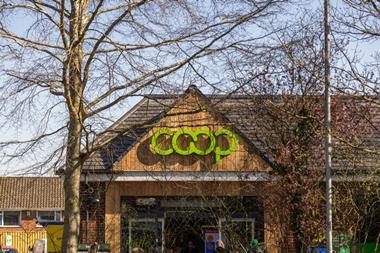
Talking of defiance in the wake of difficult trading, the Co-op also unveiled its full-year results earlier this week – although its plunge from a £131m profit to a loss of £35m was perhaps overshadowed by the news that group CEO Shirine Khoury-Haq would be stepping down from her position with immediate effect.
Her decision, she said, had nothing to do with last year’s cyberattack or the subsequent allegations of a toxic workplace. Responding to the news, The Grocer’s editor-in-chief Adam Leyland looks at the mixed legacy she’s leaving behind: big wins on balance sheet repair, debt reduction and profit growth on one side; a strategy rollout dogged by internal turmoil and supplier confusion on the other. With questions now swirling over the future of the group’s leadership, he says Khoury-Haq’s exit is an opportunity to ensure someone with retail expertise takes charge of the Co-op’s next phase.
On the supplier side, the big story at the start of this week was the sale of Huel to Danone. The €1bn (£865m) price tag is toppy but Huel is worth it in Danone’s continued post-HFSS portolio realignment play, argues finance editor Ed Devlin.
But the big breaking story today has been news of a potential merger of Pernod Ricard and Brown Forman. Drinks editor James Beeson has run the slide rule over the deal here.
Elsewhere, the BrewDog administration report lays bare the £500m debt pile the brewer has racked up. The small mercy is that most of the money is owed to commercial lenders and its private equity backer TSG, although trade creditors are still owed around £20m and of course, equity punks have lost out entirely.
There was also a £13m shortfall from Covid business interruption loans that’s likely to go unpaid. The news being aired publicly will do little for new owner Tilray’s attempts to wipe the slate clean and move on from “the cult of James Watt”.
Things were no less dramatic at German trade show LogiMAT, when Ocado called the police on picking robot rival Brightpick after alleging the company infringed one of its patents.
While Ocado has every right to defend its IP – especially after spending years wrangling with AutoStore, ending up with a £200m settlement – the nature of enforcing it has had the Streisand effect, points out tech editor George Nott. Ultimately, Ocado calling the police was the talk of the trade show, and Brightpick did very well in turning it into a positive PR opportunity.
With the US-Iran war still very far from a done deal, the industry is none too impressed with the government’s determination to shake everything up. Negotiations on a new sanitary and phytosanitary (SPS) deal with the EU – effectively taking the food and drink sector back into the single market – are well underway. Implementation is expected to be as early as next year, but concerns are growing that both government and the food sector are yet to grasp the scale and breadth of the changes required. Given the tight deadline, in this week’s cover feature international trade editor Kevin White asks what’s at stake in the SPS talks, and what needs to be resolved before a deal can be agreed.
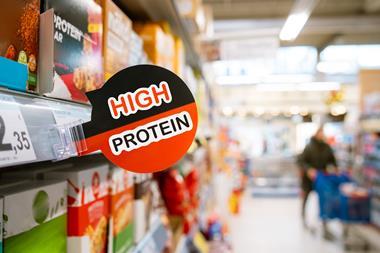
The other bombshell was the DHSC announcement on Wednesday of a 12-week consultation over its proposed alterations to the nutrient profiling model (NPM). The announcement was expected to come out on Monday but it’s understood No10 tried to intervene in the wake of concerns over the inflation that the war is already introducing into the market. Ultimately it seems the DHSC has prevailed with minister Sharon Hodgson giving lobbyists short shrift after a single meeting. Expect further hostilities on the domestic front. Meanwhile the extension of the soft drinks levy is expected to reduce consumption by 0.3 calories per day, an Institute of Financial Studies report has concluded.
And of course all the above is set against the backdrop of another warning from the IGD, which is cautioning that food inflation could creep as high as 8% in the coming months, with the higher cost of oil and gas filtering into every part of the grocery supply chain. And deputy news editor Steve Farrell takes a closer look at how the fuel crisis could play out in food & drink; specifically whether the supply chain will be able to handle the impact.
Finally in sunnier news reporter Stephen Jones was invited to the Caribbean isle of St Lucia by Hotel Chocolat, where he got a behind-the-scenes look at the brand’s Island Growers programme, which is ‘gently’ providing a sweeter deal for cacao farmers on the island – and found that the insights it’s providing are proving useful across its wider supply chain.
Of course, there’s plenty of other brilliant stories, news and regular features in this week’s issue and even more online. We would love to hear your thoughts. Is there anything we’ve missed? Get in touch via LinkedIn or jacqui.parr@thegrocer.co.uk.



No comments yet