





It’s been another busy week on The Grocer!
The ongoing EPR fiasco has run and run, but it stepped up a level this week. On Monday, red-faced government packaging tax bosses warned food and drink companies may have to reissue new (higher) bills to fill a ’catastrophic’ shortfall to the tune of tens of millions. As chief reporter Ian Quinn so elegantly put it disasters don’t come much bigger than PackUK’s £1.4bn surprise.
As if that wasn’t awkward enough, it later transpired that Treasury bosses had been warned it was an “impossible task” for EPR to balance the books in the first year, yet still insisted on it going ahead. “They were basically kicking the can down the road,” The Grocer was told by a senior source. “It was a fudge. They were basically wanting the figures to look better than they really were.”
Corporate crisis
Another huge story this week concerned a bombshell letter sent to the Co-op Board claiming to represent the views of a “significant” number of work level 2 and 3 Co-op management (a cohort of around 140 execs). The letter made a number of disturbing allegations, most notably that the company culture was “toxic” and characterised by “fear and alientation”, and was leaked to the BBC before being picked up by all the national media, as well as The Grocer of course.
It’s also the subject of my leader, in which I argue that it’s a crisis of corporate governance as much as management, strategy or execution.
Separately The Grocer investigated the controversial collapse of Hydrate Drinks. As we revealed, the supplier of branded and own-label soft drinks owed creditors £8.5 when it went into administration in December, having burnt through £19m it had raised via a series of private equity and crowdfund raises dating back to 2020. And what’s also raised hackles is the fact that the assets were acquired for just £180k in a pre-pack deal by the directors in a deal that even included a Rolls Royce. You can read the full 3,000-word report here.
Perfect partners
We’ve also been getting in the mood for Valentine’s Day, with Rachel Graham exploring why co‑branding has become grocery’s modern love story. The hope is that the shared equity and chemistry will spark something irresistible, from Grind finding its “most successful” match (you’ll have to read it to find out), to Heinz wooing – well, almost everyone really. But as with any romance, a mismatched fling can also go sour, making co‑branding a high‑stakes dating game for brands looking to live happily‑ever‑after in shoppers’ baskets.
Further illustrating the power of the collab was Niamh Leonard-Bedwell’s story revealing that volume sales of Biscoff biscuits have rocketed by 30.2% yoy after TikTok’s latest trend for “Japanese cheesecake”. She also pointed out that the ongoing craze was a missed opportunity for retailers, who could very easily have driven sales further through PoS activations.
They say breaking up is hard to do, and it seems that love is in the air over at Kraft Heinz as well, as the fmcg giant made the decision to call off its break-up in a pre-Valentine’s Day update. Just six weeks into his new job, CEO Steve Cahillane told investors the company’s challenges were “fixable and within [its] control”. Whether that willl be true remains to be seen, but you have to admire the optimism. The news should also please legendary US investor Warren Buffett, who walked the pair down the aisle back in 2015. He called the proposed break-up “disappointing” when it was announced last year.
Live forever
‘Longevity’ has become one of the newest buzz words in the $2 trillion global wellness market. But what does it actually mean? Well, for extremists like Bryan Johnson it means spending $2m per year on anti-ageing protocols that include 100 pills per day, plasma infusions and red-light therapy. Generally, though, things are less extreme. It’s more about staying healthy for longer, and living a more active, fulfilling life.
This is where brands can shine. In this week’s feature Dene Mullen takes a look at what types of products are out there, whether food brands have a credible role to play in longevity and the potential legal and reputational minefield that brands and retailers have to navigate.
While consumers increasingly look to brands offering wellness and longevity as guiding principles in their daily lives, a major shift is also taking place in the retail landscape, as JD.com quietly assembles one of the UK’s most ambitious e-commerce launches. Its upcoming full‑category platform, Joybuy, has already begun striking direct‑supply deals with major FMCG brands, suppliers told The Grocer.
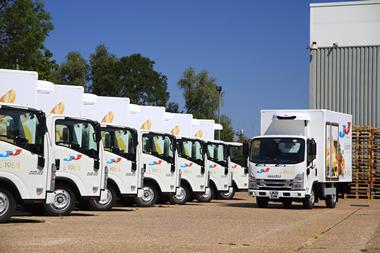
Behind the scenes, negotiations are already well underway, with several companies preparing to feed stock directly into its UK warehouse network ahead of next month’s debut. The starting gun was fired earlier this week, when JD.com rolled out same‑day and next‑day delivery service JoyExpress, with branded vans and uniformed drivers a deliberate step away from the gig‑economy model favoured by rivals and a clear signal of its “customer‑first” ambitions. Amazon will be watching closely…
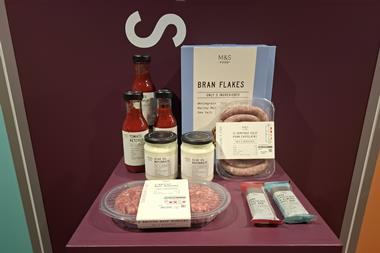
Anyway, there’s loads more brilliant stories in this week’s issue and even more on thegrocer.co.uk. We haven’t even touched on Just Eats adding robodogs to its delivery schedule, M&S changing its mind about the number of ingredients its loaves ‘only’ have or the latest impending food shortages following recent devastating floods across Spain and Morocco…
But those are some of my faves. And we would love to know your thoughts on our coverage. Or is there anything we’ve missed? We’re all ears! Get in touch via LinkedIn or adam.leyland@thegrocer.co.uk.

No comments yet