







Not a week goes by without ‘FoodTok’ – the food & drink side of TikTok – generating the next new ingredient, flavour, or product. The challenge for brands is identifying which of these sensations have lasting commercial potential and which, like dalgona coffee, explode overnight only to disappear before most companies can brief their NPD teams.
TikTok is an invaluable window into emerging consumer tastes, especially among younger consumers. However, its algorithm rewards novelty, surprise and shareability rather than long-term relevance.
Mintel’s analysis reveals a stark difference between trends TikTok creates and those it amplifies. The top-scoring trends are all amplified: matcha, which scores 90% in Mintel’s analysis, pistachio 86% and hot honey 73%. They are all trends that will be monetised for many years to come.
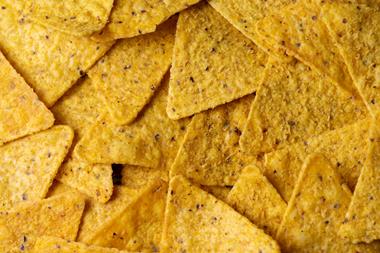
In contrast, Dubai chocolate (49%) is a fad, whose star is already fading. Viral sensations such as pasta chips and ‘sleepy girl mocktails’ rank even lower.
That’s because true trends have deep foundations.
Take pistachio. While TikTok helped revive interest, its appeal stems from centuries of use in Mediterranean and Middle Eastern cuisine, coupled with demand for tasty and visually appealing protein-rich foods.
Dubai chocolate, on the other hand, was effectively born on TikTok. It delivers visual drama and indulgence-maxxing, but lacks true cultural heritage and conflicts with the consumer shift away from sugar-laden treats.
So how can brands separate trend from fad?
While part art, part science, we have attempted to measure FoodTok signals across four dimensions: cultural legitimacy, trend velocity, trend breadth and sensory appeal. A true trend will have authentic roots, connect with deeper consumer needs and show steady growth across multiple social media channels.
The ultimate test is how far a signal travels cross-category or industry. Matcha has evolved from a Japanese tea into a coveted ingredient found across sweet and savoury food and drink, as well as in beauty and wellness products.
Our analysis predicts fermented Asian ingredients, such as gochujang and miso, will emerge as the next matcha and find mainstream acceptance among western consumers. Both are riding demand for bolder flavours, culinary authenticity and gut health. Unlike many viral TikTok sensations, they have built slowly but steadily across multiple social media channels and inspired an increasing number of new product launches in early adopter markets.
None of that makes the call easy in real time, though. While TikTok is a useful tool when analysed in context, it’s all too easy for brands to get swept up in the FOMO. Companies should avoid this trap and heed the words of statistician Nate Silver, who correctly called the 2012 election for Obama: “The signal is the truth. The noise is what distracts us from the truth.”
Jonny Forsyth is a principal strategist at Mintel Food & Drink








No comments yet