


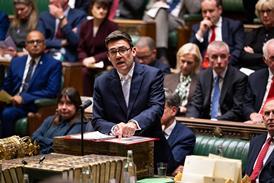


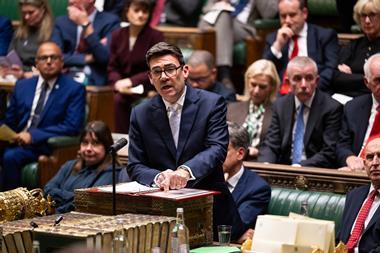
Last month, pictures of Andy Burnham and Sadiq Khan getting in the way of the shelf stackers in Sainsbury’s were a rare piece of goods new for the grocery sector: a government photo opportunity that, for once, wasn’t attached to criticsm or blame. It’s a striking contrast to their track record of getting in the way of a well-run, self-governing sector, most of it aimed at blaming grocery for the cost of living crisis.
Here are three episodes that show the pattern.
“We will launch the National Food Strategy.” The outcome: it’s now stalled, with zero legislation in sight. Everything in it would cost money immediately and risk driving up inflation, which is why the previous government, having commissioned it in 2021, dropped it too.
“Supermarkets will be required to voluntarily freeze prices on essential foods.” The outcome: dropped, after retail leaders queued up to call it “unworkable”, “idiotic” and “preposterous”.
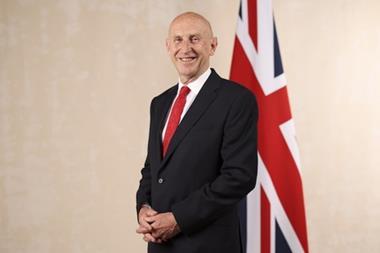
“Clamp down on supermarket price gouging at any suggestion of profiteering.” The outcome: there isn’t any price gouging to clamp down on. John Healey should get his facts straight before making claims like this in public.
All three episodes make heroic headlines while utterly misleading the public about the UK grocery sector. Our politicians treat supermarket pricing as a lever government can pull, when it is really an output of global commodity prices, supply chain costs, labour, energy and wafer-thin net margins. They also repeatedly frame the industry as a resistant opponent rather than a sector already operating under extreme competitive and cost pressure.
The Competition & Markets Authority reviewed retailer and supplier conduct across the preceding three years in its 2023/24 investigation. Its core conclusion was that the sector behaved appropriately, with overall retail operating margins falling from 3.2% to 1.8%. Healey’s intervention, for example, ignores that all-clear, delivered less than two years ago, without offering any new evidence to justify revisiting it.
What worries me more is what this political noise is now enabling. UK food inflation has fallen to its lowest level since 2024, at 1.3%, and retailers are using that easing to push suppliers for cost price reductions. That is their job, of course, but input costs largely remain elevated and political framing of “profiteering” provides cover for disproportionate buyer pressure on an already genuinely stressed supplier base.
Meanwhile, The FDF is forecasting 9% food inflation by end of 2026 and BRC data from 1 September already shows in-store inflation accelerating back up to 1.5% in August 2026. No wonder GSCOP is stalling too, when politics fuels the fire like this.
To manage food inflation, the government should focus on what it can actually control – and a good place to start is its own National Insurance contribution increases, national living wage rises and packaging taxes, which are pushing food inflation ahead of the eurozone’s.
Those arguing against all this, of course, quote Tesco profit figures as evidence of exploitation. But the profit mix has shifted, with own-label growth, brand switching and a significant transfer of spend from hospitality into retail all playing a part.
A genuine analysis would account for all of it. Instead, we get vacuous headlines followed by a vacuum of inactivity.
David Sables is CEO of Sentinel Management Consultants

No comments yet