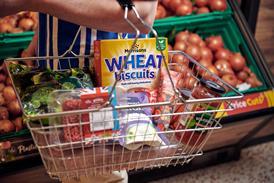
East of England Co-op trolleys

Protecting the environment should be a priority. We all know it. The fact is that retail is one of the most carbon-intensive industries and this is precisely why we all need to take action and make smart, sustainable changes to the ways our businesses function.

Reviewing data on sustainability can feel overwhelming and solutions can seem dauntingly expensive if you want to reduce your carbon footprint with a major overhaul. I get it. It’s worth bearing in mind that major changes aren’t the be all and end all though.

Can it be beneficial to invest in the latest technology across all your stores? Yes, of course. Is it fantastic if you can significantly reduce the food miles across your supply chain? No doubt. And the list goes on, but small changes can have a big impact too. Those small changes add up.

It is crucial that retailers are held accountable. I see real value in our recent commitment to the Science Based Targets initiative (SBTi) Net-Zero Standard. We’ll be looking to put targets in place over the next 24 months and we are excited to take this step forward. Targets give us something tangible to aim towards and external expectations apply necessary pressure.

The carbon journey

We began our carbon reduction journey in 2010 with the ambition of reducing our emissions by 3% annually over 10 years. We exceeded this goal, and 15 years later, our emissions are more than 70% lower than when we began. In 2019, we took things further by resetting our baseline and reaffirming our commitment to reducing CO2 emissions. Emissions are now 42% lower than our 2019 levels.

These results came from consistency and from a lot of small but effective changes.

We have had to learn from mistakes when it comes to store refurbishments. In the past, for instance, we concentrated on ease of use and installed less efficient integral refrigeration. We now install energy-efficient CO2 refrigeration whenever we refurbish a store. It looks great, it’s reliable and more importantly, it is reducing our carbon emissions by allowing us to phase out more harmful refrigerants. These gradual changes are improving our carbon footprint, as well as our bottom line.

Sustainable investment

Making a sustainable investment can make a retailer stand out. We have recently installed a solar carport at one of our stores, showing customers that we prioritise sustainability and want to be frontrunners. All retailers should be actively pursuing innovation, not just for short-term gains, but because we have a genuine responsibility to shape a better future for the next generation.

Partnerships also play an important role in creating an environmentally friendly business. In collaboration with five other independent co-operatives, we signed a landmark 10-year Corporate Power Purchase Agreement with RWE – the UK’s largest power generator and a global leader in renewable energy. Through this partnership, 32% of our current annual electricity needs are now met by clean, renewable sources.

This shift is helping us cut around 2,000 tonnes of CO2 emissions every year – a big step forward in our journey to reduce our environmental impact. Imagine the impact if every retailer made similar commitments. We’re not trying to sound self-congratulatory – we just hope to see more businesses in our industry move toward greener choices.

The most important decision a retailer will make when bringing about change is having a leadership team that prioritises the protection of our planet. Our CEO Andy Rigby has positioned sustainability at the heart of the East of England Co-op. It is integrated into our business plan. Sustainability isn’t an ‘add on’ or a ‘nice to have’ it should be core to decision-making and embedded in retail practice.


Steve Fendley, head of sustainability at the East of England Co-op