



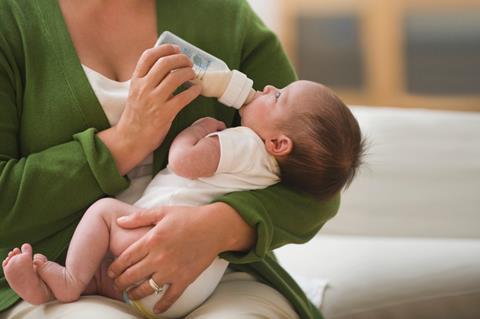
Danone has recalled additional Aptamil and Cow & Gate infant formula products after dozens of children have fallen ill with cereulide toxin poisoning.
The fmcg giant initially recalled one Aptamil First Infant Formula product on 23 January. The products impacted by the updated recall are listed below:
UK products impacted by the recall:
Aptamil 1 First Infant Milk 800g
Best before: All dates from 9 July 2026 to 4 December 2026
Aptamil 1 First Infant Milk 700g
Best before: All dates from 22 August 2026 to 26 November 2026
Cow & Gate 1 First Infant Milk 700g
Best before: All dates from 31 July 2026 to 31 January 2027
Cow & Gate 1 First Infant Milk Big Pack 1.2kg
Best before: All dates from 31 July 2026 to 23 February 2027
Cow & Gate 1 First Infant Milk Hungry 800g
Best before: All dates from 31 July 2026 to 23 February 2027
Cow & Gate 1 First Infant Milk 600g
Best before: All dates from 12 August 2026 to 16 January 2027
Cow & Gate Anti-Reflux 800g
Best before: All dates from 7 June 2026 to 18 February 2027
Aptamil 1 First Infant Milk Big Pack 1.2kg
Best before: All dates from 14 August 2026 to 25 December 2026
Aptamil 1 First Infant Milk Hungry 800g
Best before: All dates from 4 July 2026 to 24 February 2027
Aptamil 1 First Infant Milk Pre-measured tabs
Best before: All dates up to and including 17 January 2027
Aptamil 2 Follow On Milk 800g
Best before: All dates from 18 June 2026 to 4 January 2027
Aptamil 2 Follow On Milk 700g
Best before: All dates from 5 August 2026 to 20 February 2027
Aptamil 2 Follow On Milk Big Pack 1.2kg
Best before: All dates from 23 July 2026 to 13 January 2027
Aptamil 2 Follow On Milk Pre-measured Tabs
Best before: All dates up to and including 17 January 2027
Cow & Gate 1 First Infant Milk 800g
Best before: All dates from 11 June 2026 to 25 January 2027
Cereulide is a toxin produced by some strains of Bacillus cereus. It is highly heat-stable, meaning it is unlikely to be deactivated or destroyed by cooking, using boiling water or when making the infant milk.
The recall is connected to the same ingredient, an arachidonic acid oil (ARA oil) manufactured in China, that triggered Nestlé’s recall of a swathe of SMA infant and follow-on formula products last month.
Danone and Nestlé have confirmed they are no longer using ingredients from the affected supplier. They assured the FSA that recalled batches were produced some time ago and are unlikely to still be on shop shelves. However, they may be in cupboards at home, so the FSA has urged parents and caregivers to check their supplies and not to feed the impacted product to babies.
As reported by The Guardian yesterday, the UK Health Security Agency has been made aware of 36 cases of children developing symptoms consistent with cereulide toxin poisoning across the UK, including 24 in England, after consuming baby formula from the affected batches.
The FSA advised that major retailers including Tesco and Co-op continue to stock unaffected products, so parents and caregivers should still be able to purchase formula.
Where other retailers were temporarily clearing stock as a precaution, new supplies are already in the system and shelves will be restocked quickly, it said.
The FSA said it was working with Food Standards Scotland, UKHSA, DHSC, local authorities and international food safety authorities to continue to respond to the global recall.
“Please check if you have Aptamil, Cow & Gate and SMA brands of formula at home,” Katie Pettifer, CEO of the FSA, advised consumers.
“If you have an affected batch, do not use it. You can return it to the store and exchange it for an unaffected batch.
“If you are feeding your baby one of the affected batches, stop using it and switch to an unaffected batch from the same brand or another brand.
“If your baby’s formula was prescribed, speak to a pharmacist or doctor before changing. The risk of harm to children from cereulide contamination at these levels is low, but consuming it could cause symptoms such as vomiting and diarrhoea.
“If your baby has recently consumed an affected batch and you are concerned about symptoms, contact your GP or call NHS 111.”
A spokeswoman for Danone said: “Danone never compromises on food safety, and we want to reassure all parents that we take this responsibility seriously.
“All our baby formulas are produced under strict food safety and quality standards and undergo rigorous checks before leaving our factories.
“We have recalled specific batches of Aptamil and Cow & Gate products in the UK in line with the latest guidance related to cereulide from the Food Standards Agency.
“Low levels of cereulide were identified in some specific batches and we have replaced them with new products.
“All products available for purchase are safe to use.”
To date, there were “no confirmed cases of sickness or symptoms linked to our products,” the spokeswoman added.
Danone advised concerned parents to contact its careline: 0800 996 1000 (UK) or visit https://www.aptaclub.co.uk/contact-aptaclub.html and https://www.cgbabyclub.co.uk/our-careline.html.

No comments yet