
Close menu
- Home
- Retail & Wholesale
-
Products & Suppliers
- Back to parent navigation item
- Products & Suppliers
-
Product Categories:
- Back to parent navigation item
- Product Categories:
- Alcoholic drinks
- Bakery
- Cereals & breakfast
- Cheese
- Chicken & poultry
- Chocolate
- Confectionery
- Crisps, nuts & snacks
- Dairy
- Fish
- Fresh produce
- Frozen
- Household
- Meat
- Own Label
- Sauces & condiments
- Seasonal
- Soft drinks
- Vaping
- Vegan & plant-based
- World foods
- Suppliers
- People
- Reports & Data
-
Topics A-Z
- Back to parent navigation item
- Topics A-Z
-
Popular topics:
- Back to parent navigation item
- Popular topics:
- Cost of living crisis
- Crime
- Deposit Return Schemes
- Finance
- Government & Regulation
- Health
- Inflation
- Loyalty
- Marketing
- Mergers & Acquisitions
- New Product Development
- Sourcing
- Supply chain
- Sustainability & environment
- Technology
- Ultra Processed Foods
- Vaping
- A-Z all topics
- Content by type:
- Events
- Ask iA
- Subscribe now




Sustained growth for Diageo is the real test for Dave Lewis
By Sarah Vizard2026-08-14T13:26:00

Source: Diageo
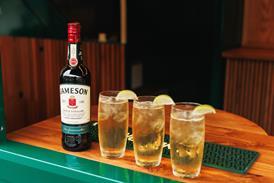
Nine months into the CEO job at Diageo, ‘Drastic’ Dave Lewis has applied a familiar strategy
Over the course of his career, Dave Lewis has earned the nickname “Drastic Dave” for the ruthlessness he brings to corporate turnarounds. Nine months into the CEO job at Diageo, he has applied a familiar strategy: a $1.2bn restructuring programme, funded by $1bn in additional cost savings over the next three years.
Already have an account? Sign in here
Already have an account? Sign in here