


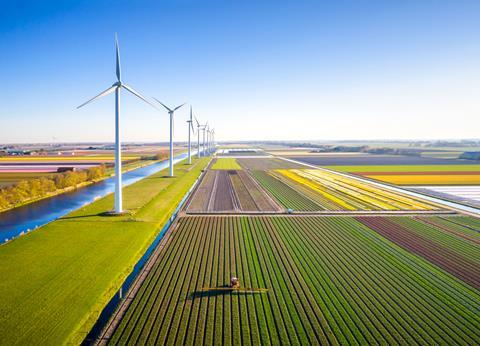
Across the UK food system there is no shortage of ambition. Businesses have set bold commitments on climate, nature, health and resilience. Net zero roadmaps are in place and reformulation programmes are underway. Supply chains are being asked to change faster than ever.
But a question is increasingly surfacing in conversations across the sector: can we actually deliver all of this?
Future Food Movement’s new Execution at Risk research, developed with leadership advisory firm Redgrave, suggests the challenge facing the industry is no longer strategy – it is capability.
The pressure of change
Across farming, manufacturing, retail and finance we see the same tension appearing: strong intent paired with the growing realisation that delivering systemic change inside complex businesses is far harder than setting the ambition.
Part of that pressure is structural. The UK food chain is unusually concentrated at the buying end, with a small number of powerful retailers and processors sitting above a highly diverse farming base. That structure brings efficiency, but it also creates strain when long-term environmental goals collide with short-term commercial signals.
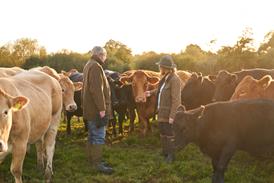
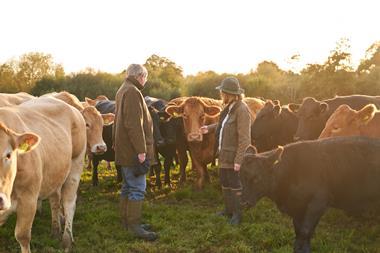
Cynog Davies, a beef, sheep and arable farmer who contributed to the research, captured the reality: “Farmers are being asked to change how we produce food faster than ever before. Most of us want to be part of that transition. But you’re being asked to invest in improvements that take years to deliver while the market signals remain short-term and price driven.”
The research also surfaces a challenge much closer to home inside food businesses themselves. Across the organisations surveyed, commercial and marketing teams emerged as the lowest-scoring function for sustainability knowledge and capability. And these are the teams which ultimately shape demand: what gets prioritised in the portfolio, what reaches the shelf and how consumers are guided through choices.
If those teams are not confident linking climate, health and resilience with commercial performance, even well-intentioned strategies risk losing momentum before they ever reach the shopper. In short, sustainability has outgrown the sustainability team. The decisions that determine progress increasingly sit across commercial, procurement, operations and marketing functions.
Leadership must evolve
At the same time, another issue is quietly emerging.
Food sits at the centre of some of the most complex challenges of our era, yet it is not always seen as the most attractive destination for the kind of systems thinkers, commercial innovators and digital talent needed to solve them. If the sector is serious about delivering the transformation it has set out, it must become a place where the brightest commercial and systems thinkers want to spend their careers. Few industries offer the chance to build successful businesses while solving challenges of this scale.
That is why Future Food Movement and Redgrave are bringing together emerging leaders from across farming, manufacturing, retail and adjacent sectors. The aim is simple: to hear directly from the people who will inherit the responsibility for delivering this transition, and to explore how leadership inside the food industry needs to evolve if transformation is going to stick.
Because if we want to fix the food system, we need to pay far closer attention to what it actually feels like to work inside it. Ambition has never been the food industry’s problem. Execution now is.
Kate Cawley is founder of the Future Food Movement and Chris Hatcher is partner at Redgrave Executive Search






No comments yet